

The 10 new insights in climate science for 2026/2027
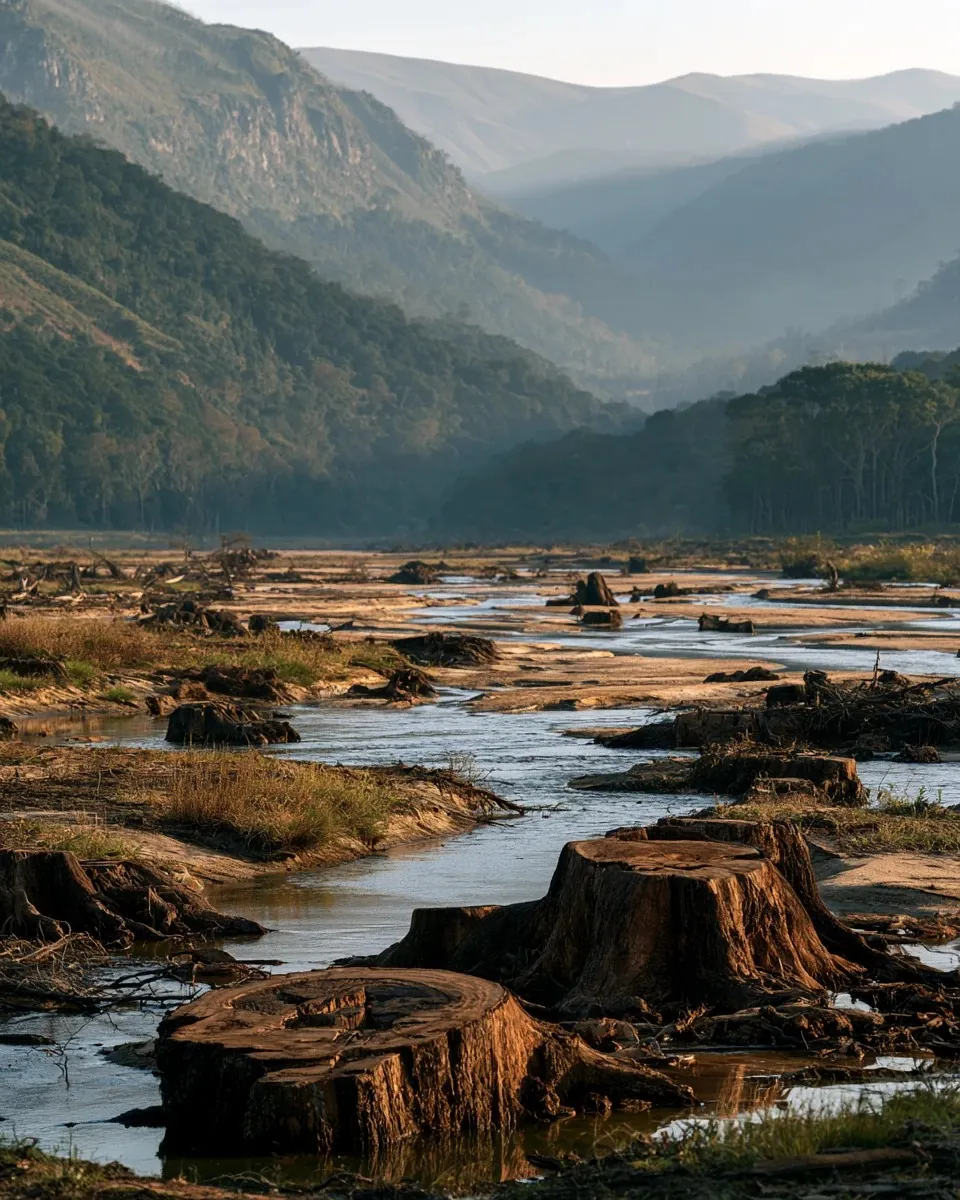
Future Earth, The Earth League and the World Climate Research Programme (WCRP) published, in October, the 2026/2027 edition of 10 New Insights in Climate Science, the report that brings together the ten most urgent findings in climate research. The evidence comes from studies published between January 2025 and June 2026, gathered by more than 70 researchers, among them Brazilians Marina Hirota and Carlos R. S. Milani, director of OIMC. The report is produced for leaders, policymakers and journalists and aims to influence decisions, especially the UN climate convention negotiations. The ten findings, in brief, and what each asks of those who plan, finance and license projects, are below.
The starting point
According to the report, 2025 had a global mean temperature about 1.43 °C above the pre-industrial level, and 2015 to 2025 were the eleven warmest years on record. Fossil CO2 emissions, including cement, hit a record 38.1 billion tonnes, and atmospheric CO2 reached about 425.6 ppm, 53% above the pre-industrial level. The new national pledges (NDCs) imply a cut of about 12% in global emissions by 2035, relative to 2019, against roughly 55% needed for a 1.5 °C-consistent pathway.
The ten findings
- 1. The ocean keeps accumulating heat. 2025 was the ninth straight record year for ocean heat content, and the ocean absorbs more than 90% of the planet's excess energy. Because heat takes decades to penetrate, part of the warming is already locked in.
- 2. Sea level is rising faster. The rate of rise has doubled over the past 30 years, and irreversible changes are already locked in, even without further warming. About a billion people live in coastal areas less than ten meters above the sea.
- 3. Continental drying is advancing. About three-quarters of the world's population live in 101 countries that have been losing freshwater since 2002. Groundwater loss already contributes to sea level as much as the large ice sheets, and multi-year droughts are becoming more frequent and intense.
- 4. Overshooting 1.5 °C costs more than assumed. A larger and longer overshoot raises the risk of irreversible impacts, requires more CO2 removal and narrows adaptation options. Human-caused warming reached 1.37 °C in 2025.
- 5. Food and food systems. Food systems generate about 30% of human-driven emissions. Bundles of demand- and supply-side measures could avert 182 million life-years lost a year by 2050 and deliver a social gain equivalent to 7% of global GDP, provided there are just transition measures for rural workers.
- 6. The social cost of carbon was underestimated. With more realistic models, it can be up to four times higher, and including ocean systems or urban heat island effects nearly doubles it or more.
- 7. Attribution science links emissions to damages. It is now possible to link a specific impact to the emissions of a specific emitter. The emissions of large fossil fuel and cement producers account for about 50% of the increase in heatwave intensity since the pre-industrial era. This strengthens the material available for accountability, litigation and loss and damage discussions.
- 8. Climate clubs and carbon border adjustments can limit carbon leakage. But they depend on careful design, so as not to impose disproportionate costs on developing countries.
- 9. Organized obstruction blocks climate policy. High-emitting industries fund networks that range from science denial to subtler forms of delay, dilution and distraction, including greenwashing and digital disinformation. There are dozens of lawsuits against oil and gas companies for deception and delay.
- 10. The just energy transition is at risk from geopolitics. Instability can speed up clean energy in some countries and deepen fossil fuel dependence in others, and the evidence indicates that, overall, geopolitical risk slows the transition and widens inequalities.
What this changes for companies, projects and licensing
The report is about science and global policy, but several findings reach straight into the routine of those running projects.
- Physical risk enters the project. Ocean heat, higher seas and prolonged droughts (findings 1 to 3) ask that ports, coastal works, plants, water-intensive industries and infrastructure projects consider climate scenarios from the design stage. It is the logic of the Ibama El Niño adaptation guides, which already ask for this diagnosis in licensing.
- Adaptation with a deadline and a limit. If overshooting 1.5 °C is likely, planning needs to consider peak warming, not just the average. In some cases, adaptation stops being possible, which changes the calculation of where and how to invest.
- Carbon price and investment decisions. A higher social cost of carbon strengthens the economic case for cutting emissions and weighs on risk analyses, internal carbon prices and project appraisal by lenders.
- Accountability and greenwashing. Attribution brings damage closer to the emitter, and lawsuits against companies for deception and delay raise the risk of communicating more than is done. The same applies to targets and reporting, as discussed in a sustainability report treated as a campaign.
- Trade and competitiveness. Carbon border adjustments and climate clubs affect exporters, and those with an emissions inventory and traceable data are in a better position.
- Just transition. The findings on food and energy insist on measures for workers, communities and the most vulnerable countries. Mapping and listening to those affected is part of the viability of change, not just of meeting a requirement.
The negotiation context
The report notes that COP31 takes place as information collection for the second global stocktake (GST2) begins and amid disagreement among governments over the timetable of the next IPCC cycle's reports. The agenda includes operationalizing the Belém adaptation indicators, defining the governance of the Belém-Antalya just transition mechanism, advancing the Baku-to-Belém roadmap toward US$1.3 trillion a year by 2035, capitalizing the Loss and Damage Fund and finalizing Article 6 carbon market infrastructure.
Talk to KICK
KICK Group works on socio-environmental communication and stakeholder engagement for projects, from diagnosis and dialogue with communities to monitoring and reporting results. If your project needs to bring climate risk into planning and licensing, it is worth talking.
Write to contato@kickgroup.com.br. Source: 10 New Insights in Climate Science 2026/2027 (Future Earth, The Earth League and WCRP, October 2026) and 10insightsclimate.science. Informational text, updated as of November 13, 2026.
Keep reading

KICK develops ESPM's first Sustainability Report
The report, with 2025 data, uses the GRI Standards as a reference and relates to MEC assessments, the Ethos Indicators and the SDGs. See how it was developed and what it shows.
Letter at COP31 calls for political leadership to end deforestation by 2030
More than one hundred organizations, Indigenous peoples and research institutions call for an implementation process through 2030 and an international meeting in 2027. See what the letter says, the COP30 Roadmap and what changes for companies.
Brazil submits its Fifth National Communication and Second Transparency Report to the UN at COP31
The document, submitted on November 17, includes the official inventory up to 2024, with a 27% drop in emissions in two years. See what was submitted, what the numbers show and what changes for companies and projects.