KICK Group is a women-led consultancy with almost 15 years of work in institutional and social-environmental communication, stakeholder engagement, participatory processes and ESG.
Over this time we have built expertise in leading and systematizing collective processes involving actors with different interests, perspectives and cultures, from traditional communities to financial institutions, from researchers to Indigenous and quilombola leaders.
Team
KICK team
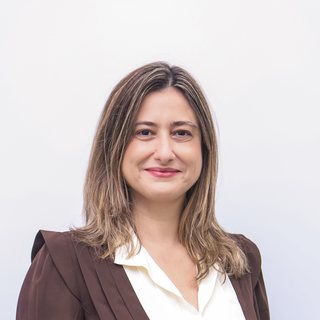
Daniela Klein
Founder and Managing Partner, KICK Group (Brazil / US)
Communication Studies, Federal University of Juiz de Fora (UFJF).
Founder of KICK Group with almost 15 years of experience in institutional and social-environmental communication. Developed expertise in leading editorial and methodological processes that combine technical rigor, plurality of voices and ESG responsibility, working with nonprofits, the productive sector, government and traditional communities.
A reference in structuring collective processes that result in high-quality technical documents aligned with international sustainability guidelines and the SDGs.
Master's in Social Sciences, Federal University of Espírito Santo (UFES), with research in Socioenvironmental Studies, Cultures and Identities, emphasizing gender and disasters. Specialist in Human Rights and Social Movements, UESPI.
Researcher at the Environmental Policy and Justice Research Lab (LAPAJ/UFES). Director of the Espírito Santo Regional Chapter of ABRAPS (Brazilian Association of Professionals for Sustainable Development).
Managing Partner at KICK Group, with a consolidated track record coordinating and facilitating multisector participatory processes on social-environmental and climate issues.
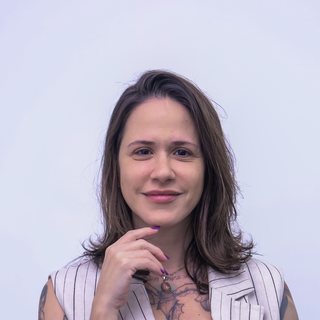
Bachelor's in Industrial Design — Visual Programming, Federal University of Espírito Santo (UFES). Certified in conversion design.
With over 10 years of experience in editorial design, creates graphic projects and layouts for highly complex technical materials, including Environmental Impact Reports, sustainability reports, institutional presentations and environmental education materials. Produces printed and digital pieces and develops visual identity application manuals.
PhD and Master's in Social Psychology, Federal University of Espírito Santo (UFES). Degree in Communication Studies.
Former Technical Consultant at UN Women Brazil, working on applied research, systematization of participatory processes and production of technical documents for multilateral organizations.
Specialist in qualitative research methodology, data analysis and technical writing in multisector contexts.
Accounting technician, currently pursuing a degree in Economics.
Has worked in administration and finance since 1999, with broad experience in management, process organization, financial control and administrative routines. Her career is marked by dedication, responsibility and a commitment to efficiency and results.
Master's in Administration and Accounting Sciences, Fucape Business School.
Specialist in Solidarity Economy and Governance. Special Advisor at the Espírito Santo State Department of Culture (Secult), working on the design, planning and coordination of creative economy, innovation and territorial development policies and projects. From 2023 to 2026, coordinated Hub ES+, part of the state government's ES+Criativo Program.
Working across communication, research and sustainability.
projects delivered
200+
From concept to delivery, with method and listening.
clients served
80+
Public, private and nonprofit organizations.
Services
From diagnosis to execution, we take care of every step of your communication.
01
Communication and Social Impact Consulting
Institutional Communication and Reputation
Design and development of impact projects and materials
02
Stakeholder Mapping, Consultation and Engagement
Stakeholder Mapping
Consultation, Communication and Engagement Plans
Field Communication Training
03
Research and Data Analysis
Market research
Position Papers and technical-scientific materials
Business Intelligence, dashboards and interactive panels
04
ESG and Sustainability Reporting
ESG Journey: for clients taking the first step toward a report
Data collection, analysis and report development under international standards
Consulting for ESG alignment of strategic areas and projects
Setting up Sustainability Committees
05
Specialized Event Curation
Technical events with equity and diversity goals
Portfolio
Projects we have led with communities, government, academia and companies.
ESG and reporting2022–2025
Sustainability Reports
ESG journey: from data collection and analysis to the sustainability report, in international standards.
KICK Group guides organizations through the ESG journey, from the first step to the sustainability report, with data collection and analysis and report development in international standards, such as GRI.
What we do
ESG journey: for those who want to take the first step and reach the report.
Data collection and analysis: the basis for indicators and accountability.
Report development: in international standards, with text, graphic design and layout.
ESG alignment: of the organization's strategic areas and projects.
Sustainability committees: training and support in setting them up.
Materiality: identifying the topics relevant to management and stakeholders.
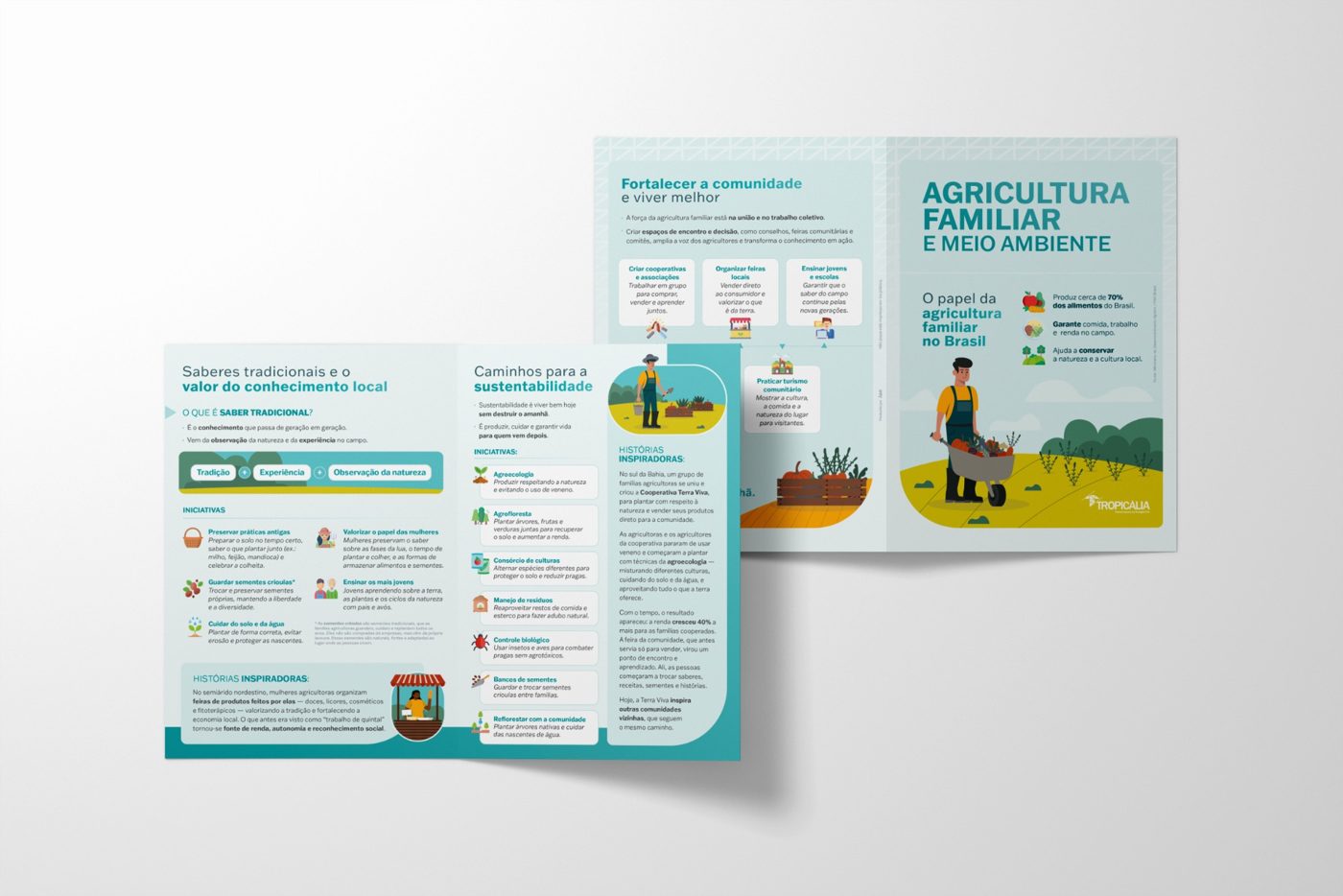
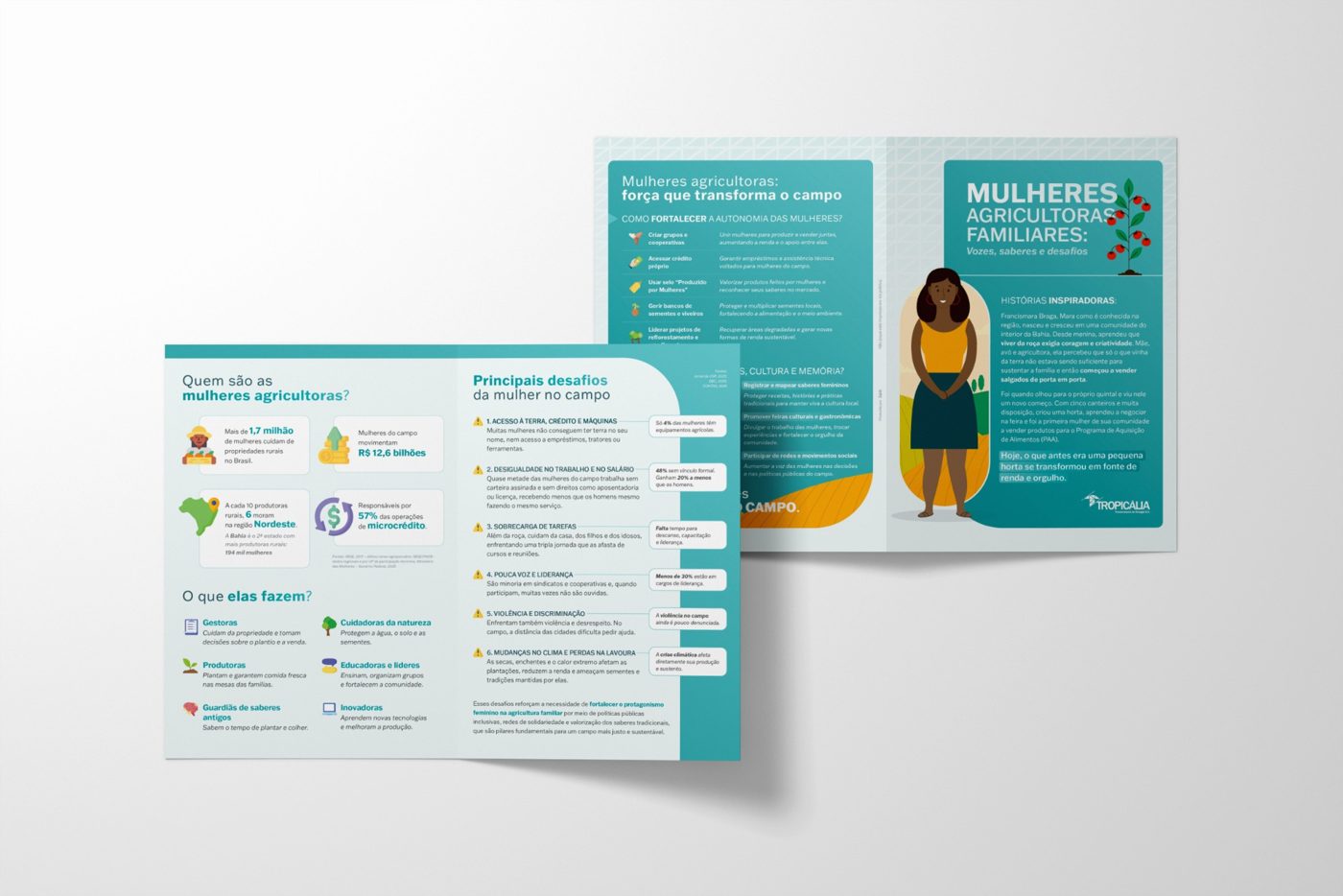
Women in Family Farming Campaign: Tropicália Transmissora
Technical content on family farming and women farmers turned into didactic, accessible materials with inclusive design, for Tropicália Transmissora.
Tropicália Transmissora brought KICK Group a challenge that captures the essence of environmental education: how to turn technical content into materials that communities can read, understand and use in their daily lives?
Starting point
Base texts written by the company, with technical information on family farming, the role of women farmers and sustainability practices.
KICK's work
Content: reorganizing the texts into a didactic, progressive narrative, designed to speak to different audiences and highlight what matters most to readers.
Inclusive design: a well-defined visual hierarchy, simple illustrations, intuitive icons and an organization that guides reading and supports understanding.
Campaign materials
Family farming and the environment: a leaflet on the role of family farming, traditional knowledge, paths to sustainability, community strengthening and inspiring stories.
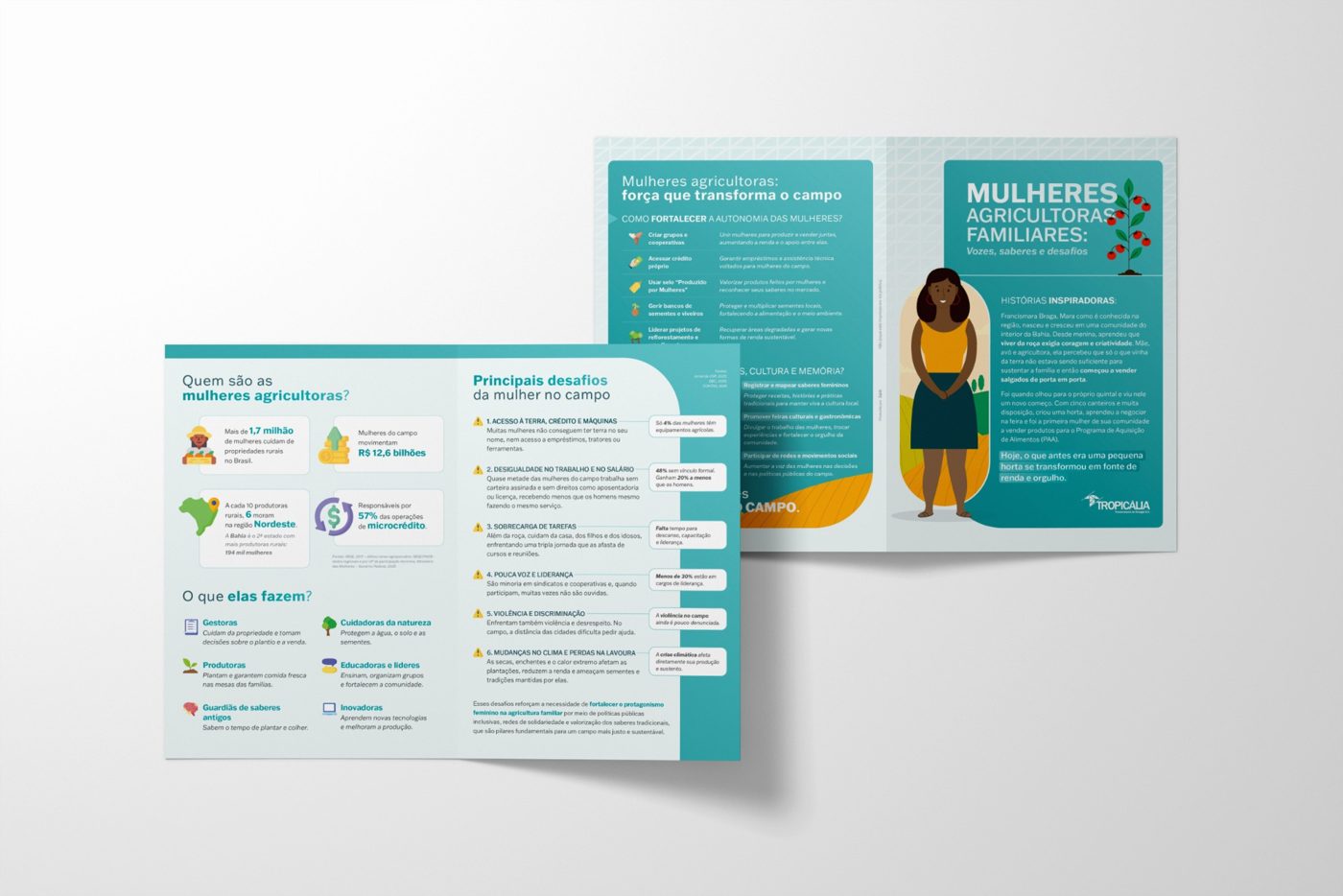
Women family farmers: voices, knowledge and challenges: a leaflet on who women farmers are and what they do, the main challenges in the countryside and ways to strengthen their autonomy.
This is one of the kinds of work KICK does: turning technical knowledge into accessible tools, strengthening environmental education processes and expanding access to information in different contexts.
Leaflet “Family farming and the environment” (mockup).Leaflet “Women family farmers: voices, knowledge and challenges” (mockup).
Environmental licensing2026
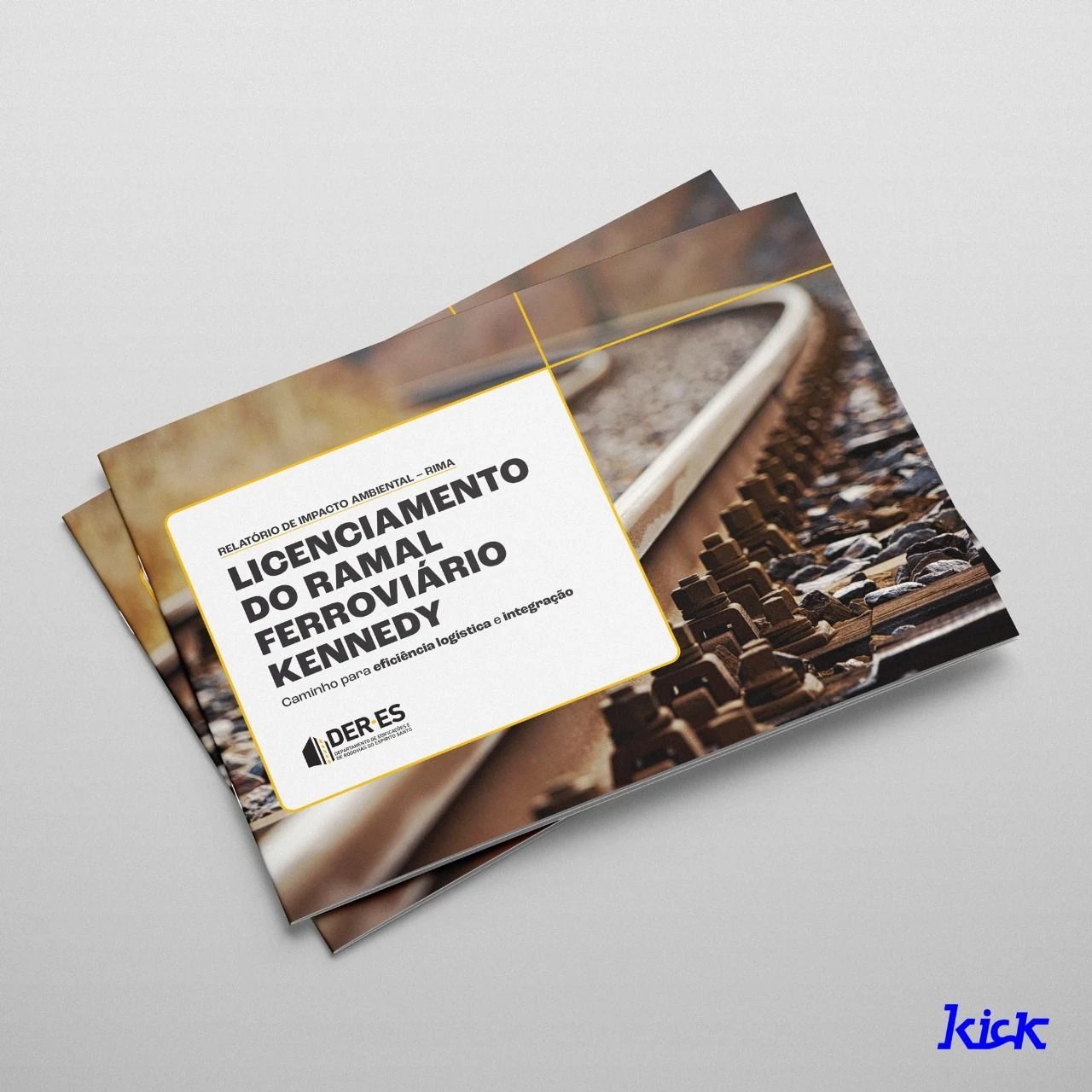
EIR Summary Report (RIMA) for the Kennedy Railway Branch
The Environmental Impact Report (RIMA) for the licensing of the Kennedy Railway Branch, translating technical analyses into clear and accessible language.
KICK Group was responsible for preparing the Environmental Impact Report (RIMA) in the licensing process of the Kennedy Railway Branch, a strategic project for the logistics integration of Espírito Santo and for strengthening national rail infrastructure.
The role of the RIMA
Prepared from the Environmental Impact Study (EIA), the RIMA translates complex technical analyses into clear and accessible language, making the project's environmental, social and economic impacts understandable. This document makes possible a more informed participation of communities, institutions and public bodies in the licensing process.
Partnership
Results like this come from collaborative processes. The work counted on the partnership of Econservation Estudos e Projetos Ambientais, responsible for preparing the Environmental Impact Study (EIA).
KICK believes in the power of communication as the center of solutions and as an engine for more transparent and inclusive processes.
Participatory processes2025–2026
Setup, management and coordination of the CNSB 2025 and 2026 Working Groups
Design, management and methodological coordination of the Working Groups at the National Sustainability Brazil Conference, in the 2025 and 2026 editions.
In 2025 and 2026, KICK Group was responsible for the design, management and methodological coordination of the Working Groups (WGs) at the National Sustainability Brazil Conference (CNSB), each bringing together actors with different interests, perspectives and cultures around strategic topics.
CNSB 2025
In 2025, the working groups covered five areas:
Biodiversity and Climate Change: discussion of climate impacts on Brazilian biomes (Amazon, Cerrado, Caatinga, Pantanal, Atlantic Forest and Pampa), with public policy and community management proposals, with participation from bodies such as the CFBio/CRBios System.
Climate Justice and Energy Transition: debates on social equity in the response to the climate crisis, renewable sources and decarbonization.
Blue Economy and Resilient Cities: strategies for ocean and coastal conservation and for urban adaptation to extreme climate events.
Formal Adoption of SDG 18: focus on protecting social-environmental defenders and strengthening sustainability institutions.
Sustainable Innovation and Diversity: integration of science, technology, traditional knowledge and cross-cutting social agendas.
The debates and the letters produced in the technical groups were systematized into reports delivered to the Brasil Verde Consortium, as a contribution to Brazil's participation in international events such as COP 30.
In 2026, KICK coordinated four Working Groups around strategic climate topics:
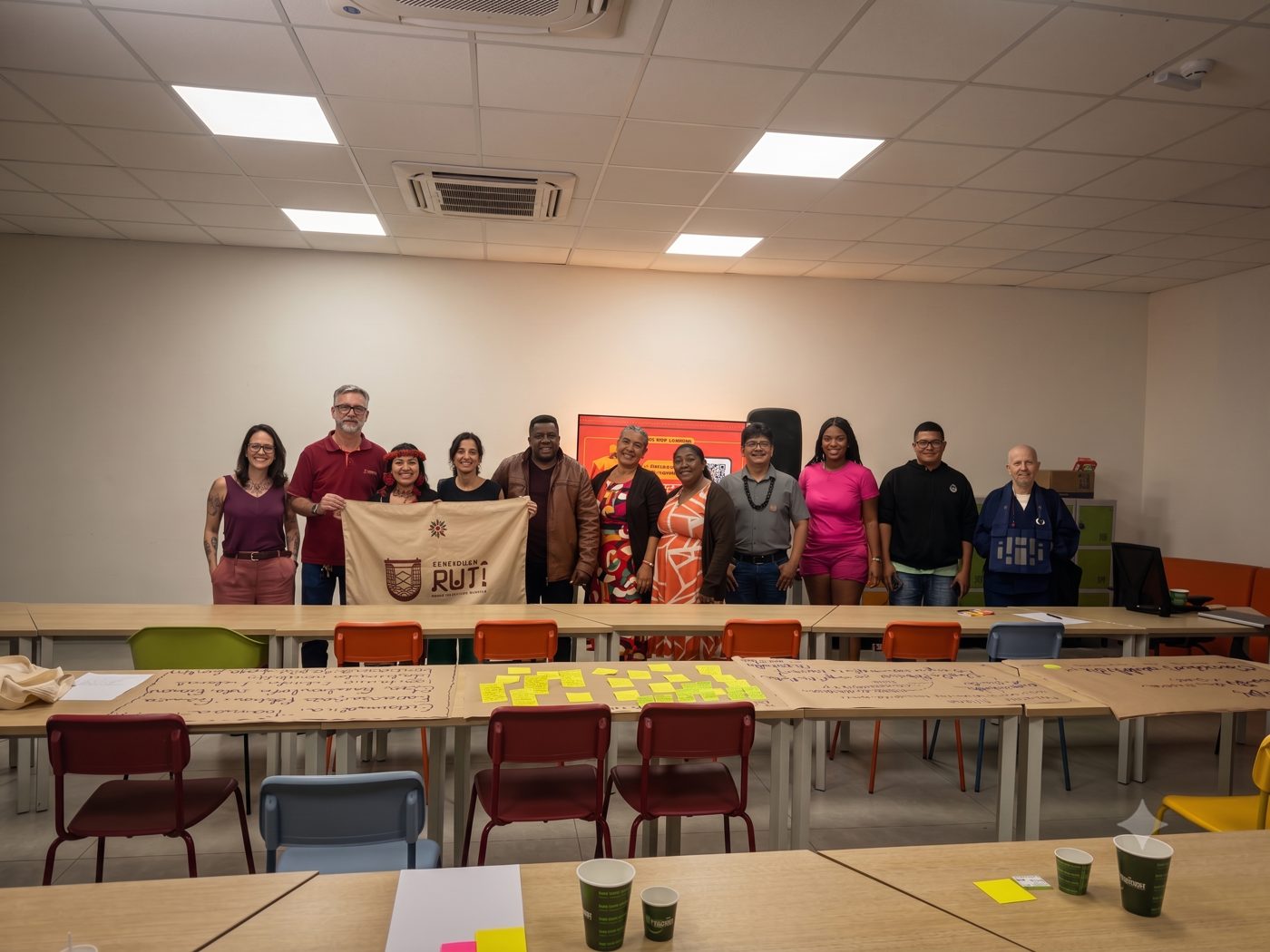
WG1 — Financing Projects of Traditional Peoples: with Indigenous and quilombola leaders, representatives of community funds (Podaali, Pixurum, Ruti), ISA, Banco do Nordeste, Bandes and others. The group produced a detailed funding proposal adapted to the timelines and governance forms of the communities.
WG2 — Blue Carbon and Bankable Mangrove Projects: with academics, public servants, researchers and business people from the sector. Coordinated by Prof. Dr. Mônica Tognella, of Ufes.
WG3 — Industry, Agroecology and Decarbonization of the Production Chain: with ArcelorMittal, industry players, public servants and researchers.
WG4 — Caatinga–Blue Carbon Integration: Market, MRV and Integrity: with academics, public servants, researchers and business people. The group proposed turning the climate value of the Caatinga and mangroves into public PES (payment for ecosystem services) policies.
In each WG, KICK ensured neutral, results-oriented facilitation, systematizing contributions from different positions and producing concrete next steps.
As in 2025, the final activity of each WG consists of producing a document formatted for publication, consolidating the group's contributions, positions and next steps in a technical-editorial format ready for public release.
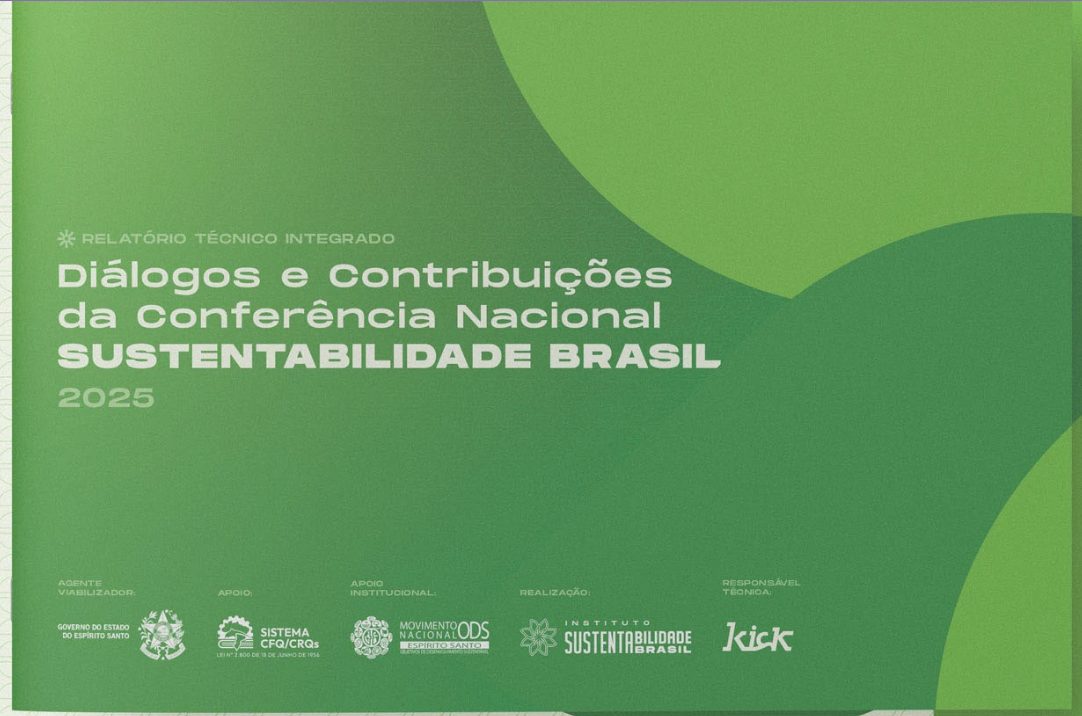
Integrated Technical Report: Dialogues and Contributions of the Sustainability Brazil Conference 2025
Design, structuring and systematization of the report of a conference with over 100 hours of debates, 2,422 participants and 300 experts.
KICK Group was responsible for the design, structuring and systematization of the Integrated Technical Report of the Sustainability Brazil Conference 2025, a process involving over 100 hours of debates, 2,422 participants and 300 experts from across the country. The document consolidated recommendations, articles and reflections from the Conference's panels and working groups, covering topics such as climate justice, energy transition, bioeconomy, blue economy and governance.
Daniela Klein and Mariana Klein led the curation, defining the editorial line, leading the thematic tracks and ensuring diversity of voices in the collective building process. Manoela Nodari was responsible for the data presentation methodology, technical writing, integration of contributions and integrated analysis of results. The report was taken to COP by the State of Espírito Santo, endorsing its technical quality and political relevance.
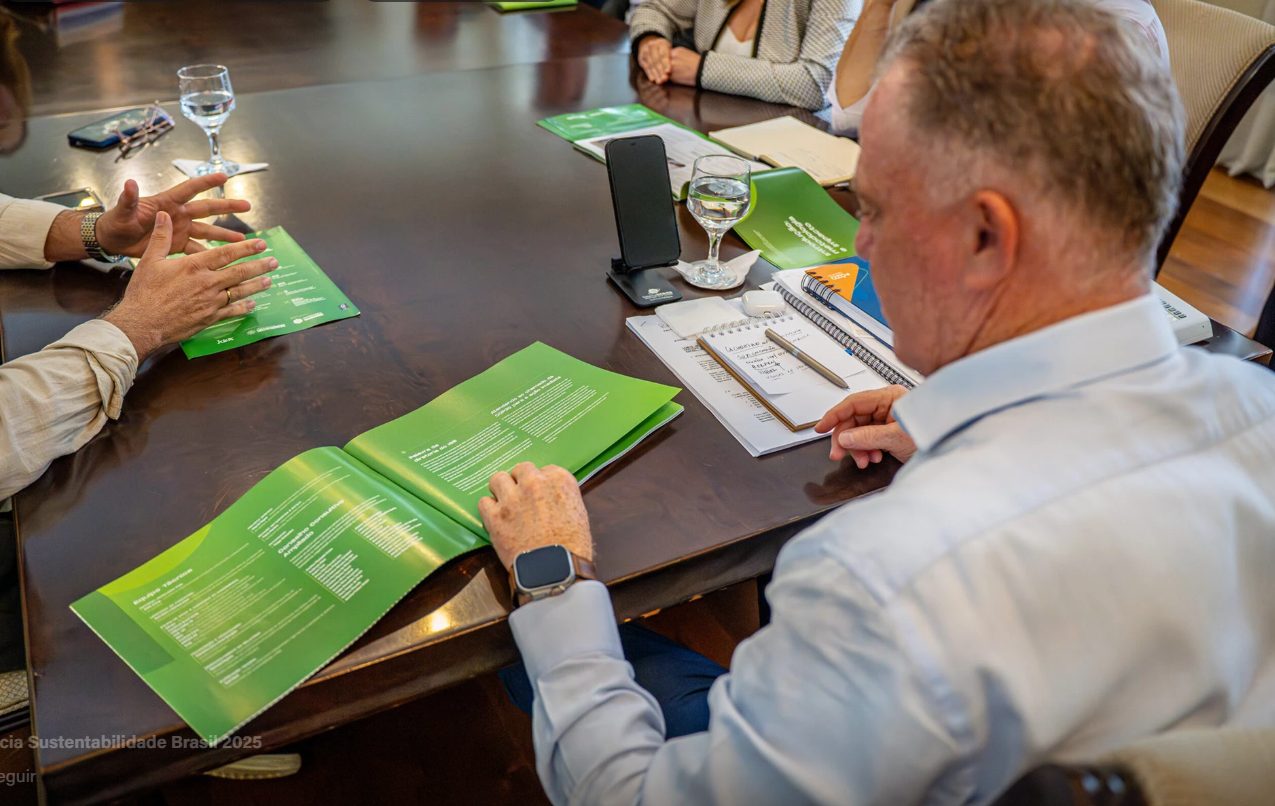
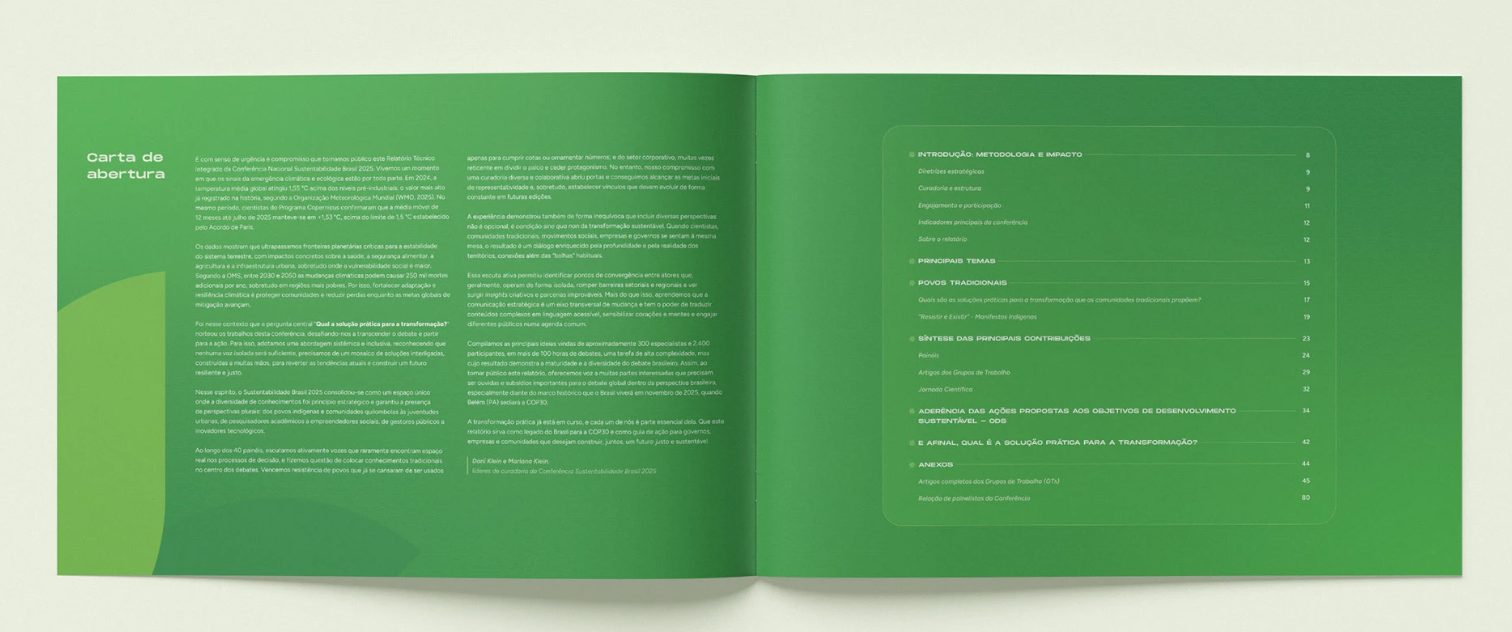
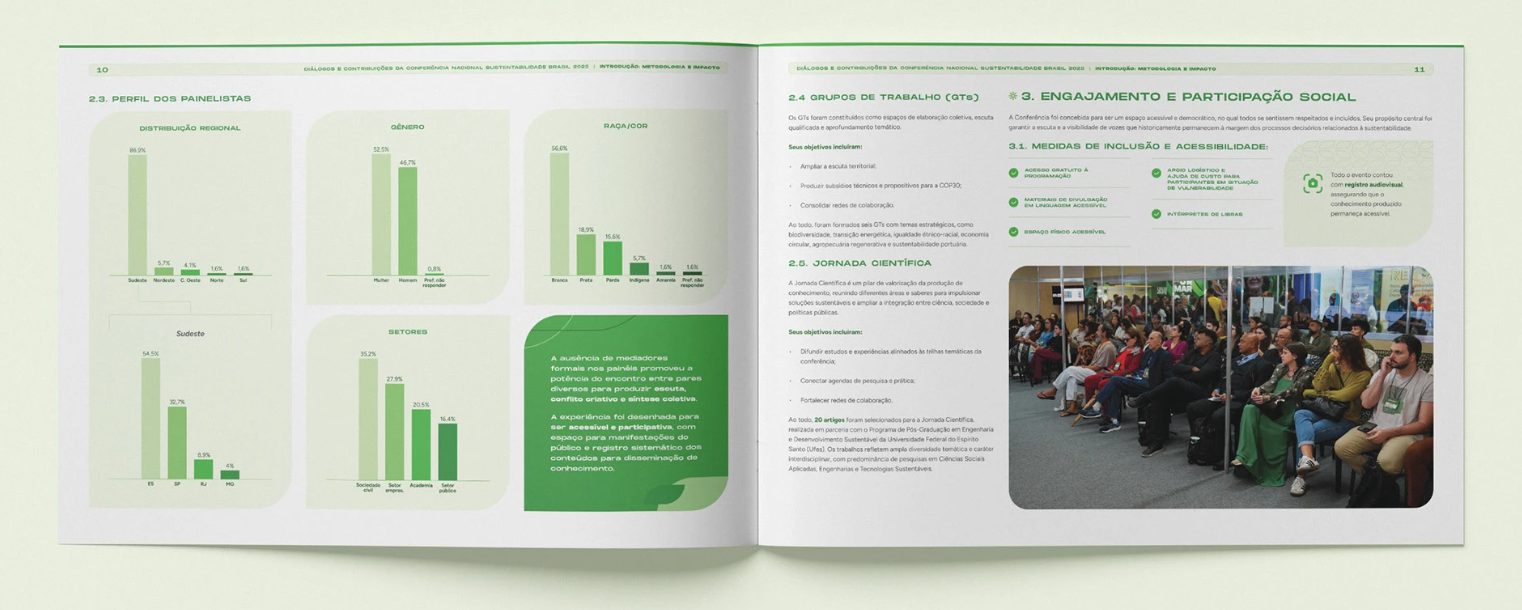
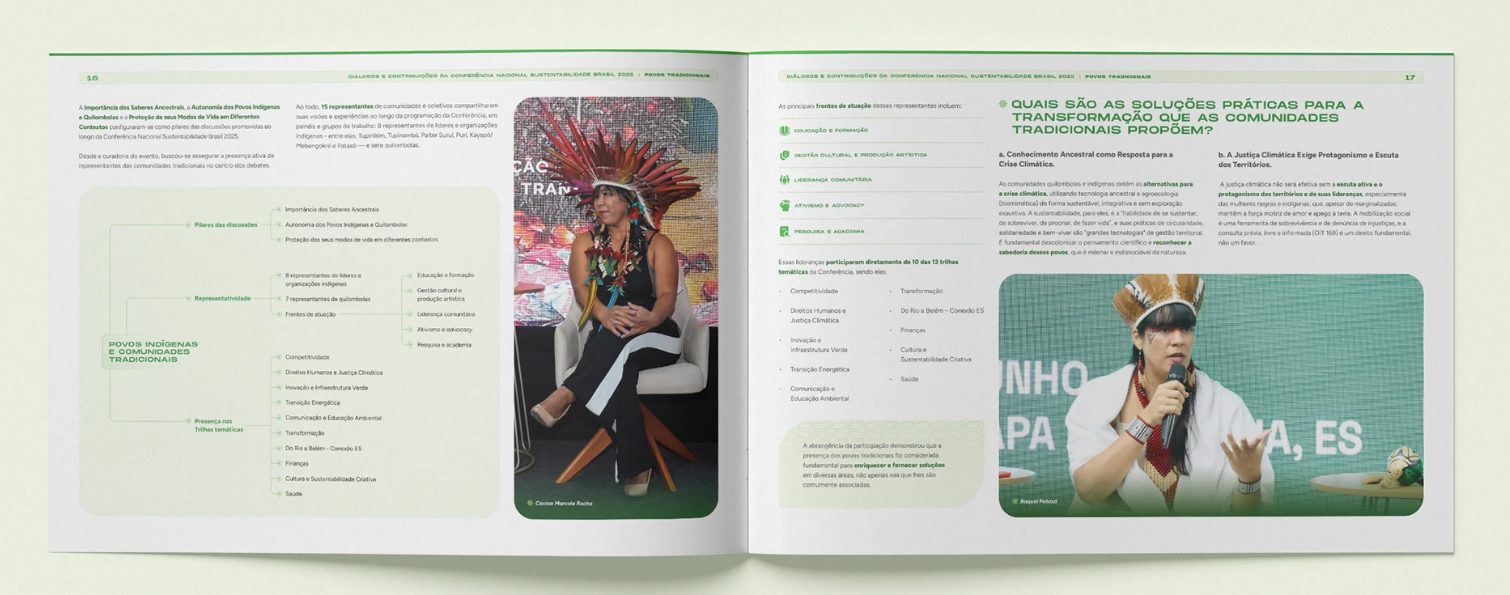
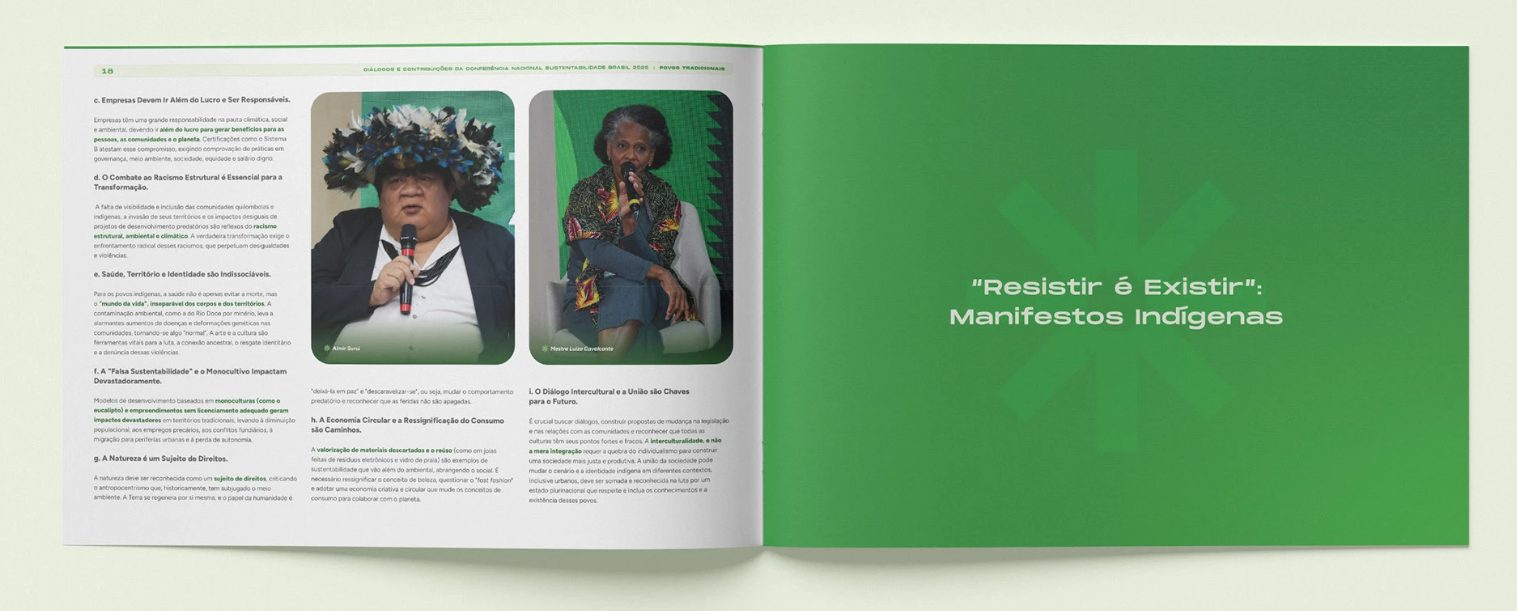
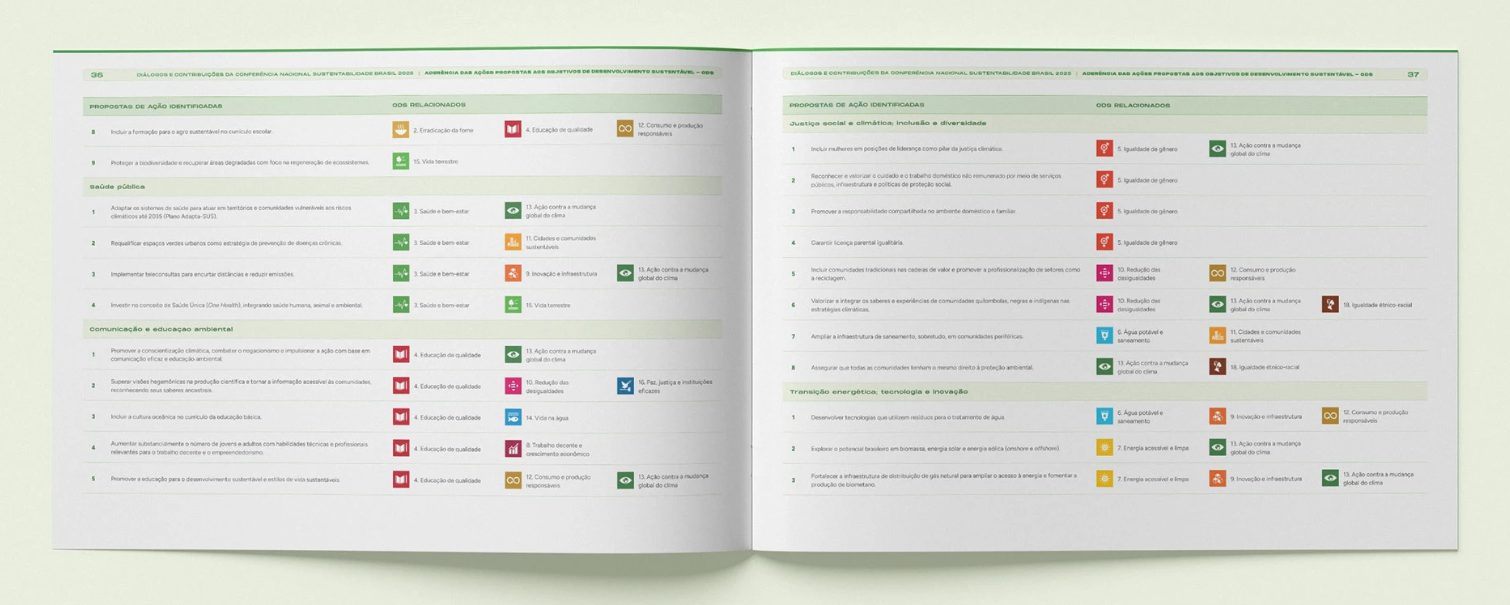
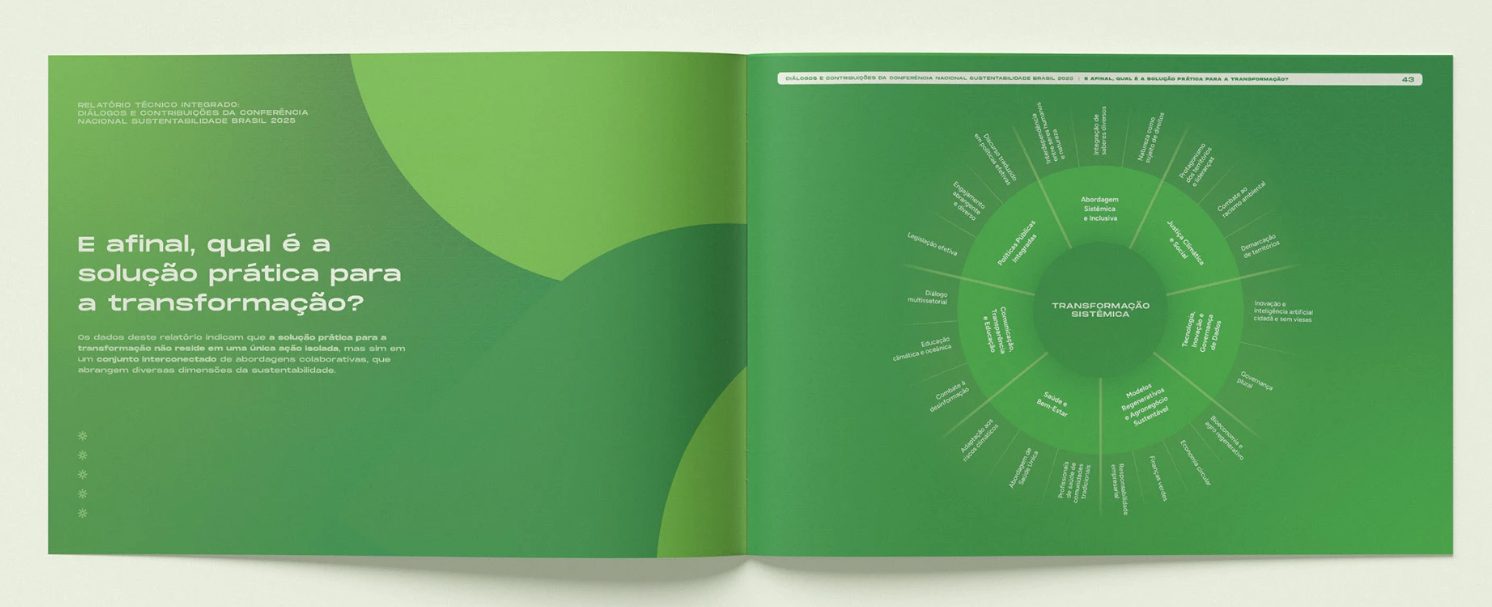
Renato Casagrande, former governor of Espírito Santo, receives the material to be taken to COP 30.Report opening (mockup).Opening letter and contents.Panelist profile and social engagement and participation.Indigenous peoples and traditional communities.Indigenous manifestos: “Resistir é Existir” (To Resist Is to Exist).Alignment of the proposed actions with the Sustainable Development Goals.“So, what is the practical solution for transformation?”
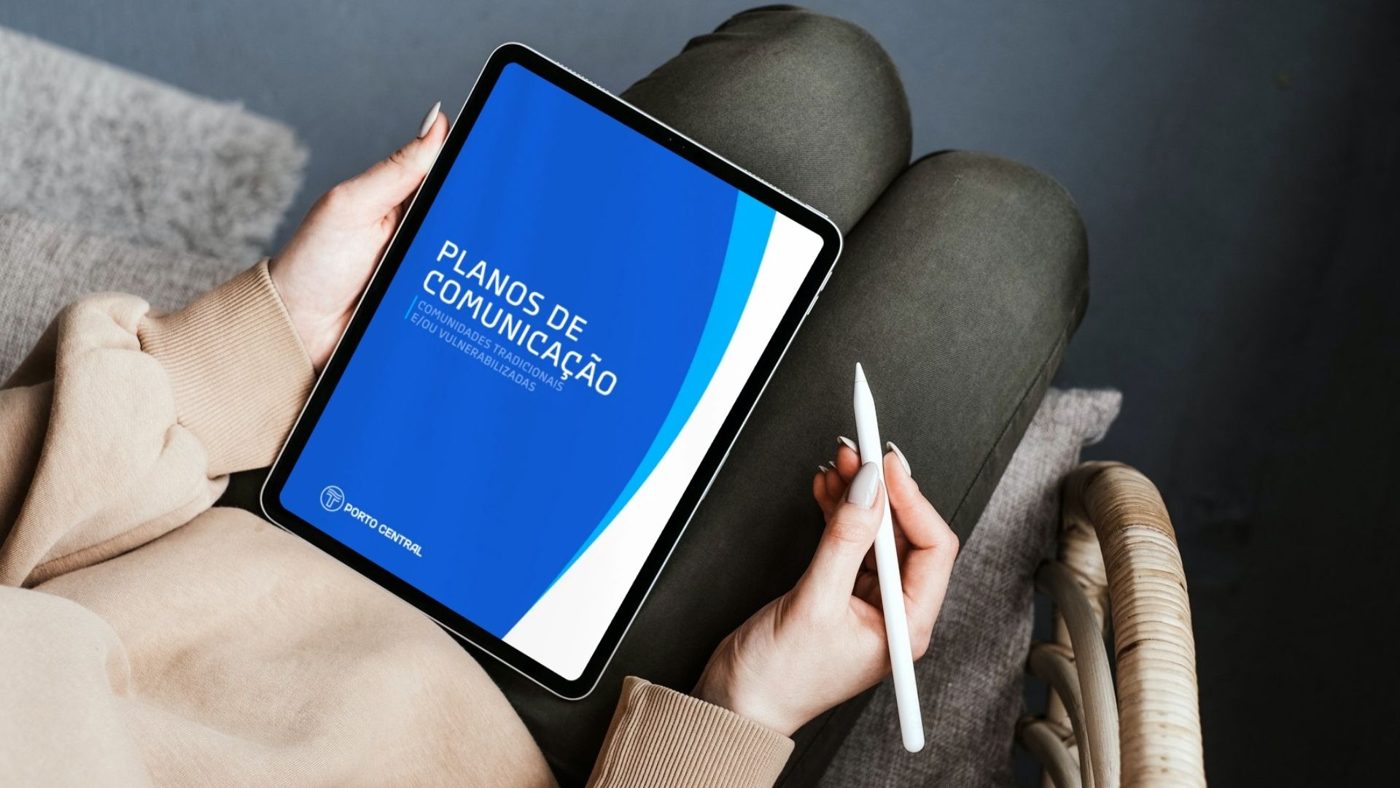
Communication Plans for Traditional and Vulnerable Communities: Porto Central
Communication Plans co-produced with fishing communities, quilombola communities and the Black Women's Collective of Southern Espírito Santo.
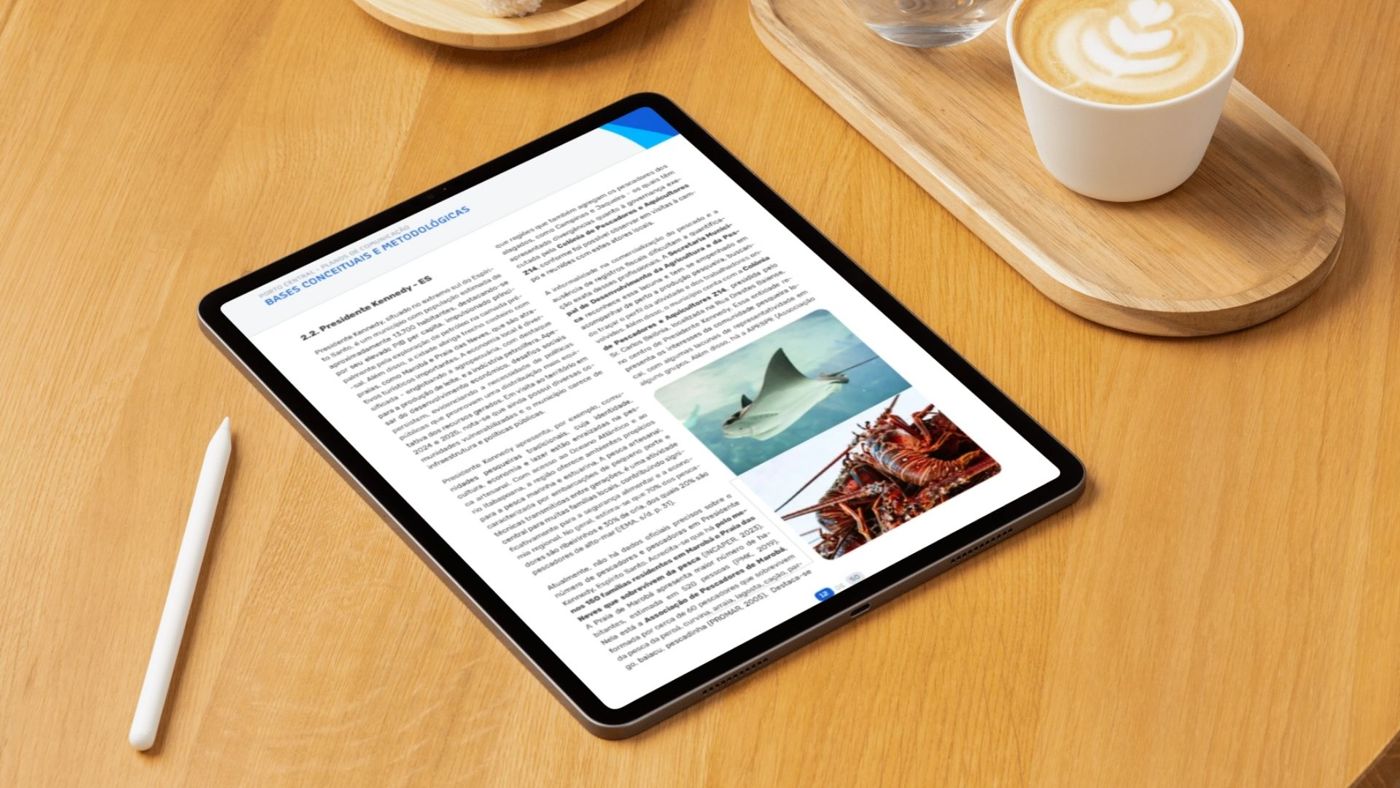
As part of Porto Central's Social Communication Program, KICK Group developed three Communication Plans for traditional and/or vulnerable communities in the project's Direct Influence Area (AID), in Presidente Kennedy (ES), Marataízes (ES) and São Francisco de Itabapoana (RJ). The work brought together guidelines, methodologies and strategies specific to each group, focused on strengthening dialogue, transparency and relationships with the territories.
The three plans
Plan 1: fishing communities: in Presidente Kennedy, São Francisco de Itabapoana and Marataízes, considering the entire artisanal fishing chain, not only those who fish.
Plan 2: Boa Esperança and Cacimbinha quilombola communities: in Presidente Kennedy.
Plan 3: Black Women's Collective of Southern Espírito Santo (FEPNES): a network of groups in ten localities in the south of the state.
How it was done
Stakeholder mapping: identification of key actors and, through snowball sampling, of different subgroups: leaders, families, women's groups, young people and local organizations.
Dialogue circles and meetings: direct listening in the territories to define which communication strategies, formats and channels make sense for each group.
Frameworks: good practices and stakeholder engagement standards such as IDB, IFC, GRI, AA1000, ABNT PR2030, the UN and CONAMA Resolution 422/2010, plus a review of the literature and of experiences with similar audiences.
What each plan contains
Mapping of focal points: who the leaders and groups of each territory are and how they are organized.
Key messages: what to communicate to each audience.
Strategies: how to communicate and build relationships in each context.
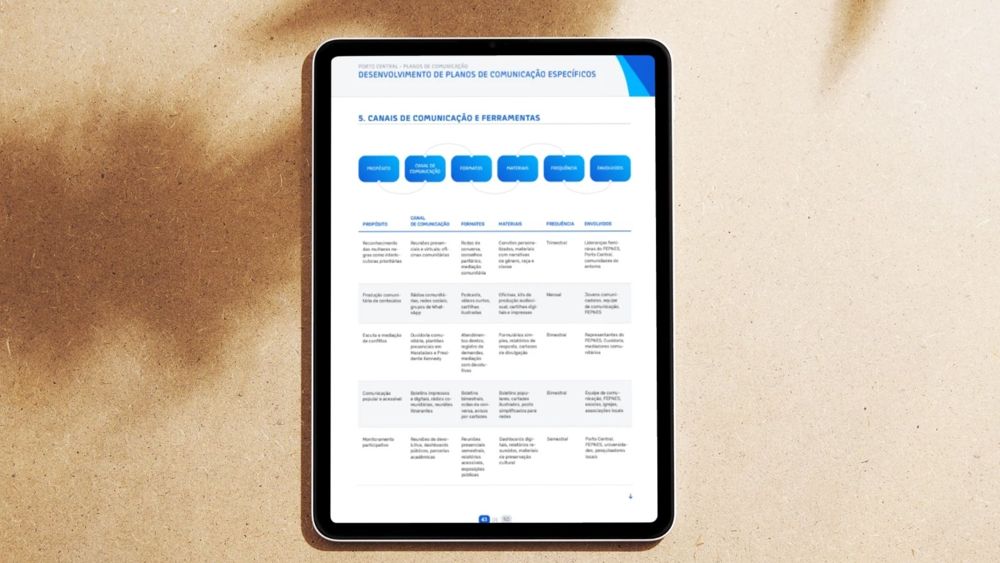
Channels and tools: media suited to each group.
Consolidated spreadsheet: an integrated view of the actions in the three plans.
Principles
Language: simple and accessible, without technical jargon.
Identity: visual materials adapted to local cultural identity.
Access: meetings and consultations at places and times convenient for the communities.
Dialogue: a two-way channel, with continuous listening and protocols for conflict or emergency situations.
The process required neutral facilitation among different interests, communities and developer, and resulted in documents that reflect the perspectives and priorities of each group.
Because it involves relationships with communities and the developer's information, the detailed content of the plans is confidential.
Communication Plans document: conceptual and methodological foundations (mockup).Communication Plans document: plans specific to each audience (mockup).
ESG and materiality2025
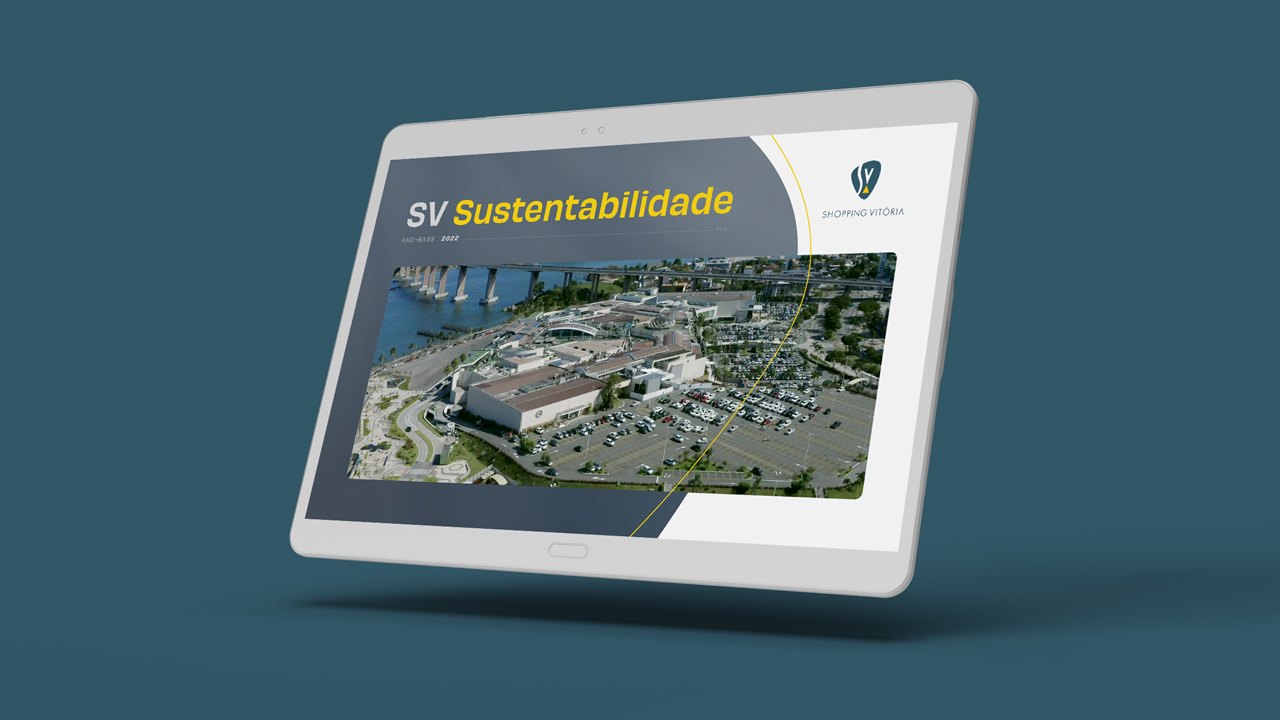
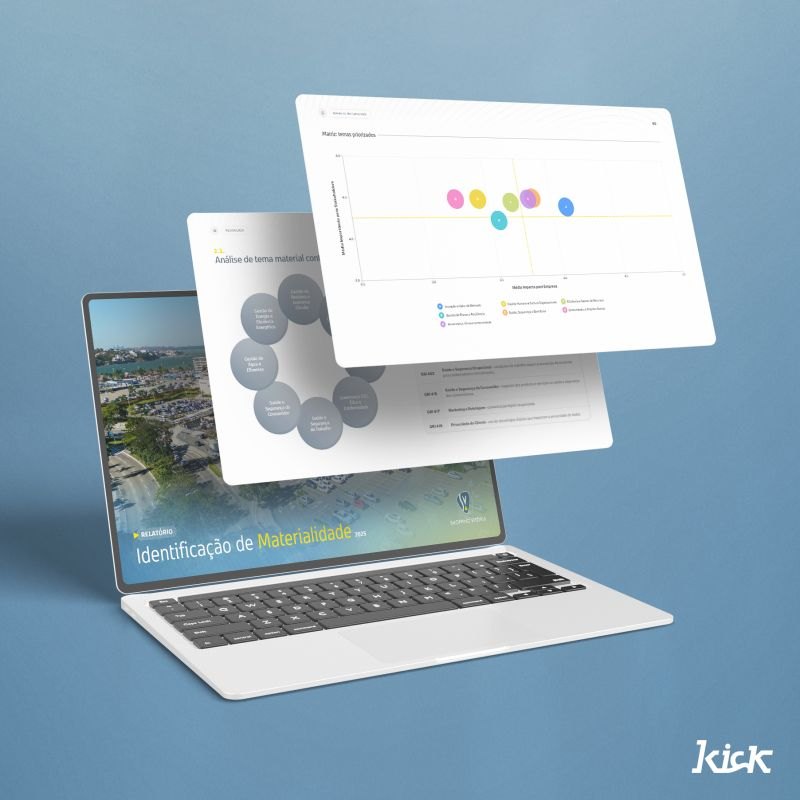
Materiality Assessment: Shopping Vitória
A materiality process that combined context analysis, benchmarking and stakeholder listening to guide ESG strategy and risk management.
At KICK, we work from a simple premise: ESG only makes sense when it helps improve decisions. With that starting point, KICK Group led the materiality process for Shopping Vitória.
The context
A client that arrived with structured governance, data-based management and an unusual level of maturity for the shopping center sector, including ISO 27001 certification. For Shopping Vitória, materiality is much more than narrative: it separates what is relevant from noise, organizes priorities, anticipates risks and guides investment.
The process
Context analysis: a review of the setting in which the business operates.
Benchmarking: comparison with national and international peers.
Structured listening: consultation with stakeholders.
Combining this information resulted in well-defined material topics, now built into Shopping Vitória's ESG strategy and risk management.
This is how materiality works when it is treated as a management tool.
Stakeholders and data2025
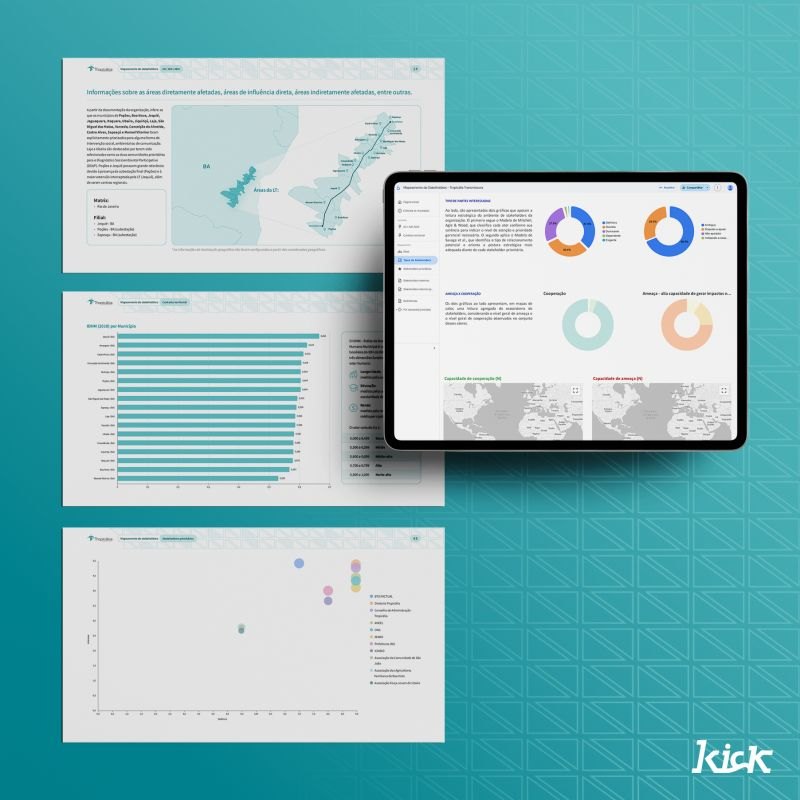
Stakeholder Mapping: Tropicália Transmissora
Qualitative research and data intelligence combined in a stakeholder mapping, with a database, an executive summary and an interactive dashboard.
KICK Group carried out the Stakeholder Mapping for Tropicália Transmissora de Energia S.A., a project that combined qualitative research and data intelligence.
How it was done
To go beyond the surface, interviews and questionnaires were conducted with key actors.
What was delivered
Database: robust, for the continuous management of relationships.
Analytical executive summary: a synthesis of the main readings of the mapping.
Interactive dashboard: real-time visualization of the influence matrices.
Why it matters
Stakeholder mapping goes beyond a list of contacts in a spreadsheet: an organization's ecosystem is dynamic, and the tool reflects that.
For regulators, the mapping demonstrates governance and transparency. For lenders and investors, it is evidence of risk management and institutional maturity. And it ensures the organization knows the ground it stands on and is ready to act assertively.
Forest and Indigenous communities2024
Communication and Outreach: Rio Doce Project (WWF Brazil / Geru Tucuna Pataxó Village)
Communication and graphic and audiovisual material on an agroforestry system in the Geru Tucuna Pataxó village, in partnership with WWF Brazil.
KICK Group partnered with WWF Brazil on the project “Promoting forest restoration and supporting the environmental compliance of rural properties in the Rio Doce basin”, carrying out communication and outreach in the Geru Tucuna Pataxó village (MG) and producing graphic and audiovisual material on the Agroforestry System (SAF) implemented. The experience reinforces KICK's familiarity with forest conservation and with communicating in contexts of ethnic and cultural diversity.
Visual identity
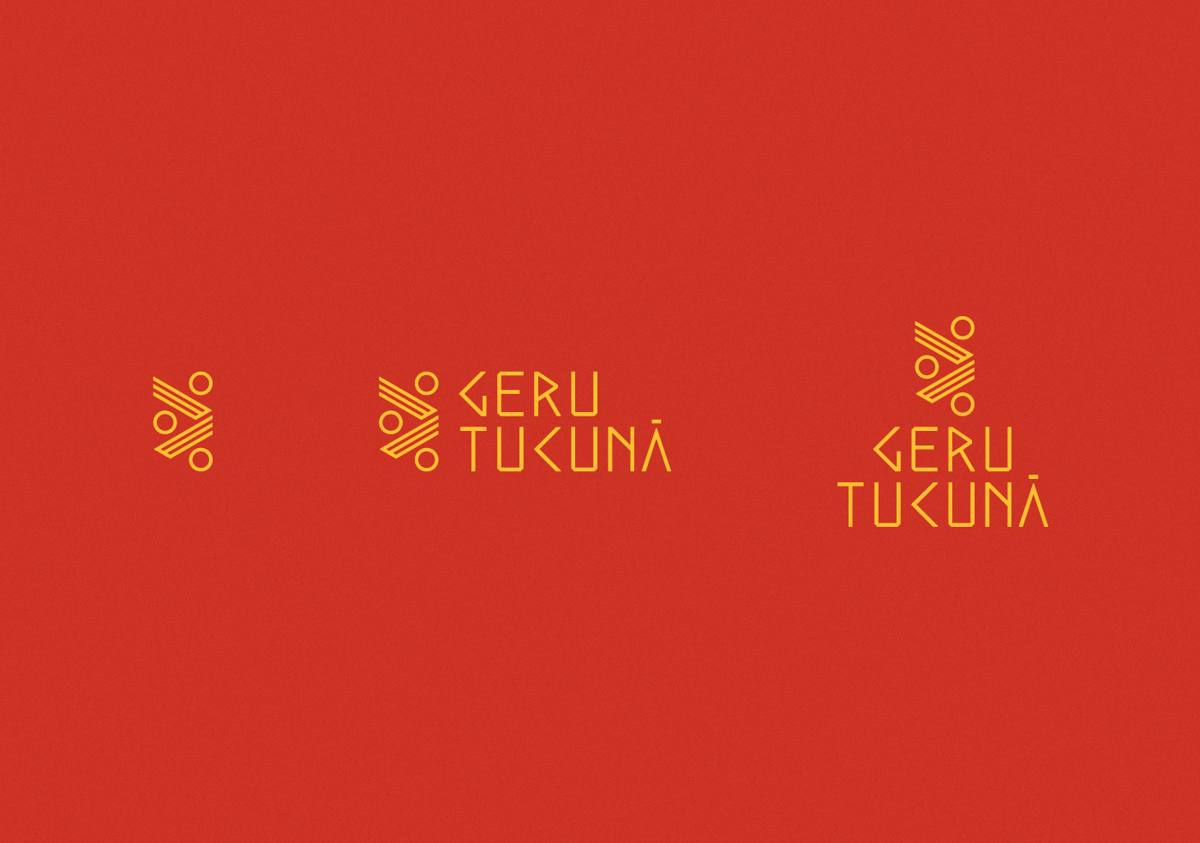
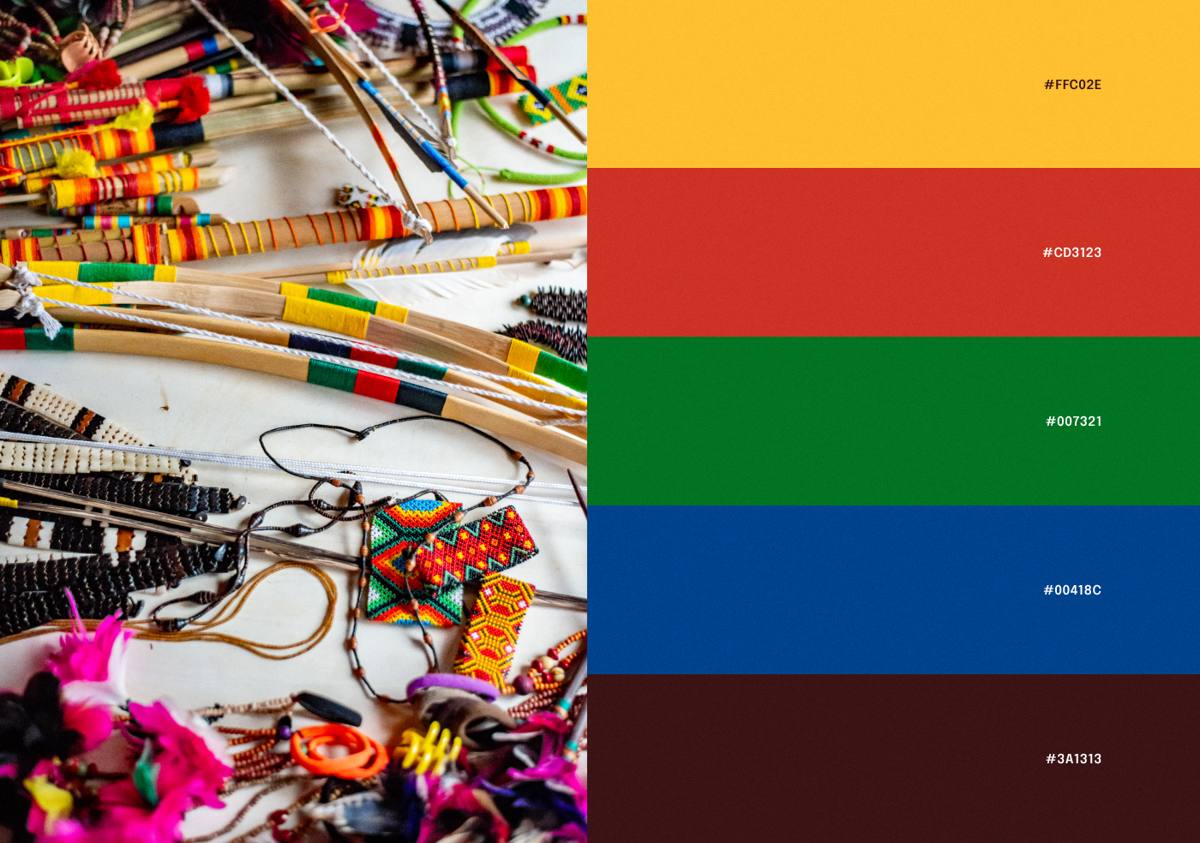
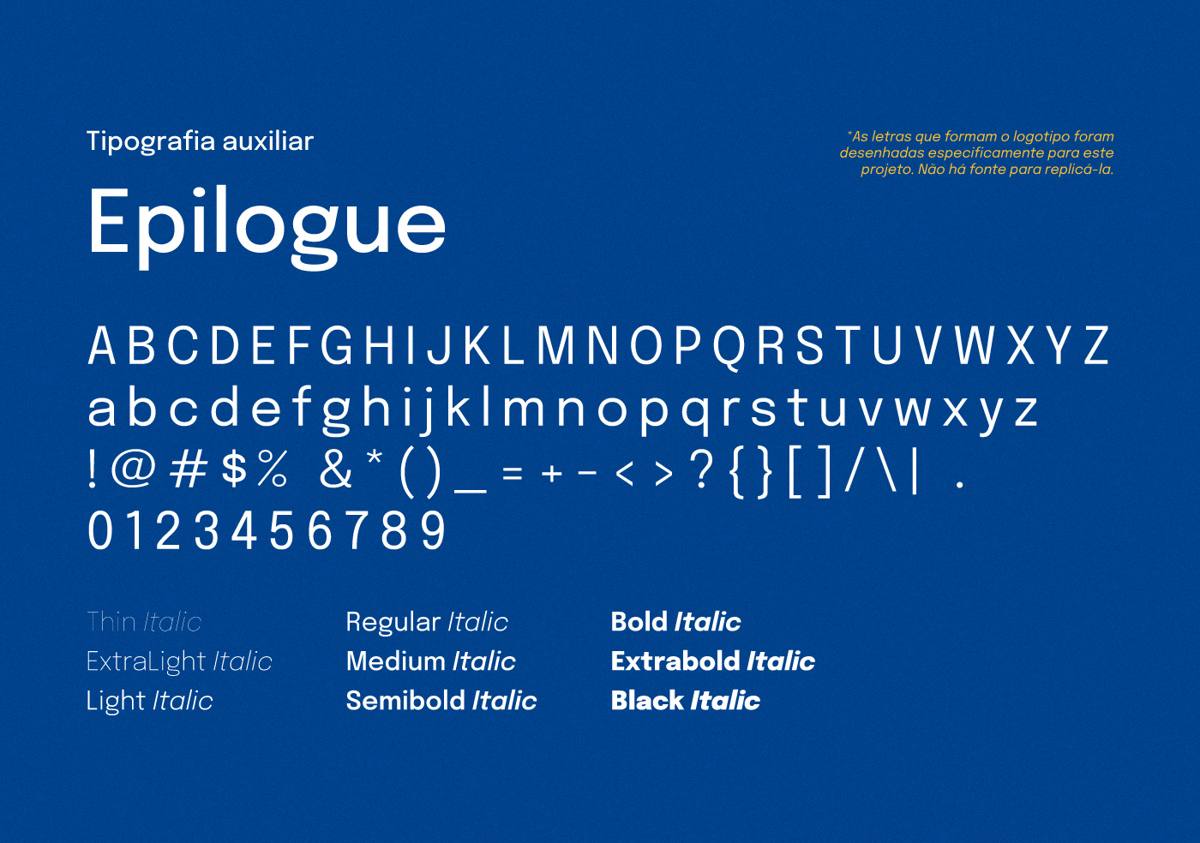
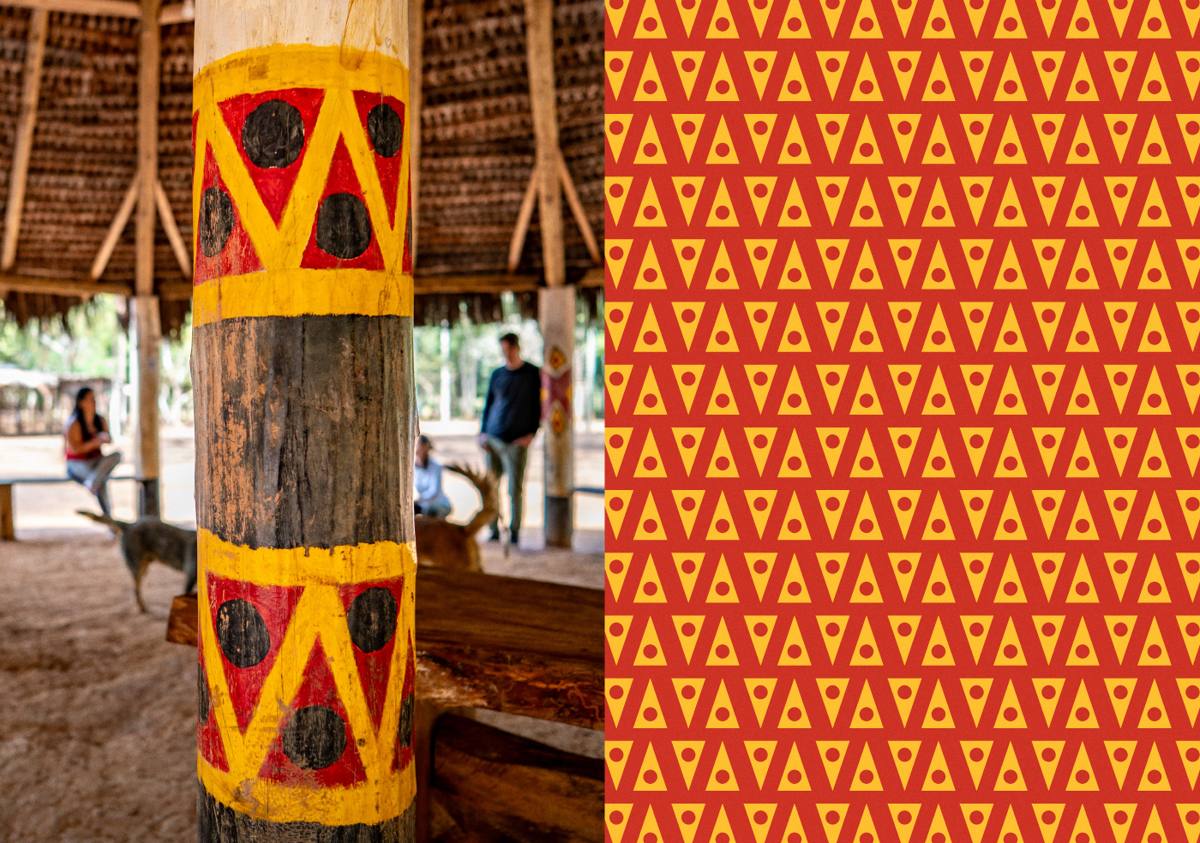
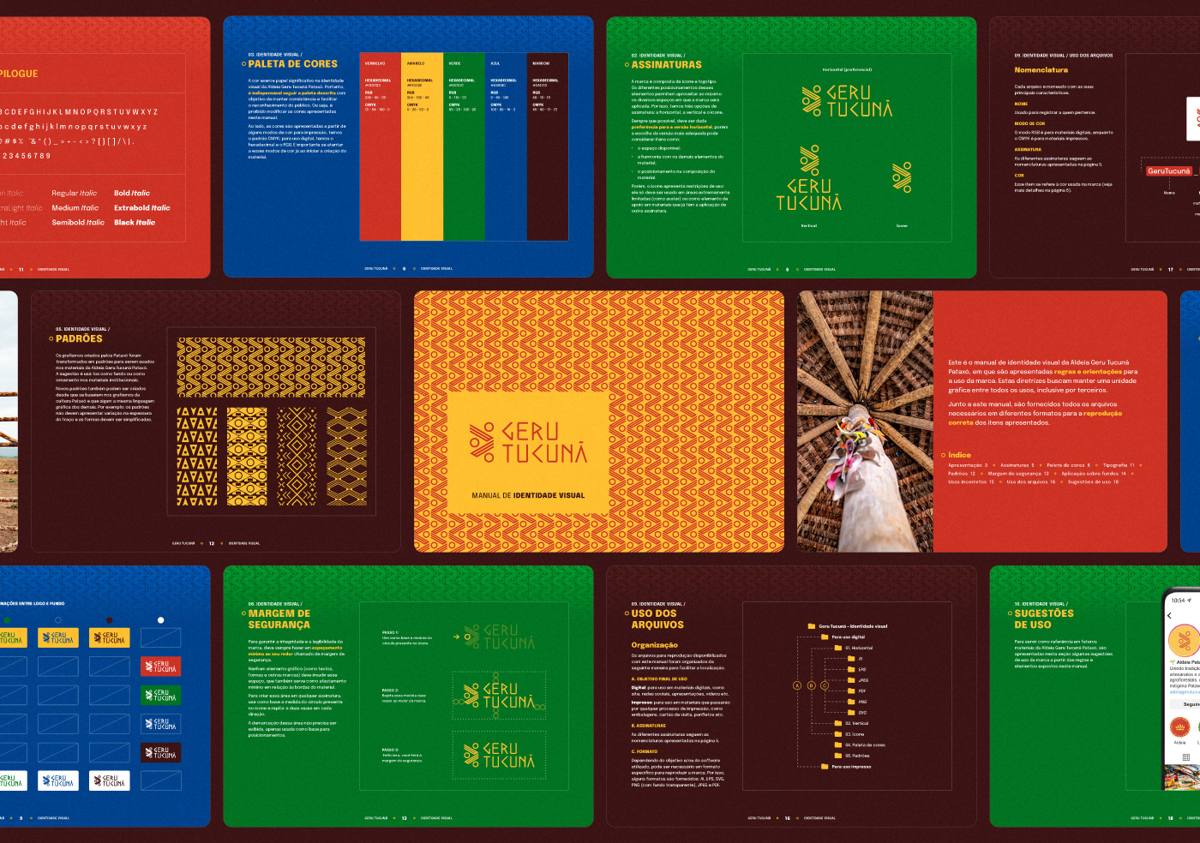
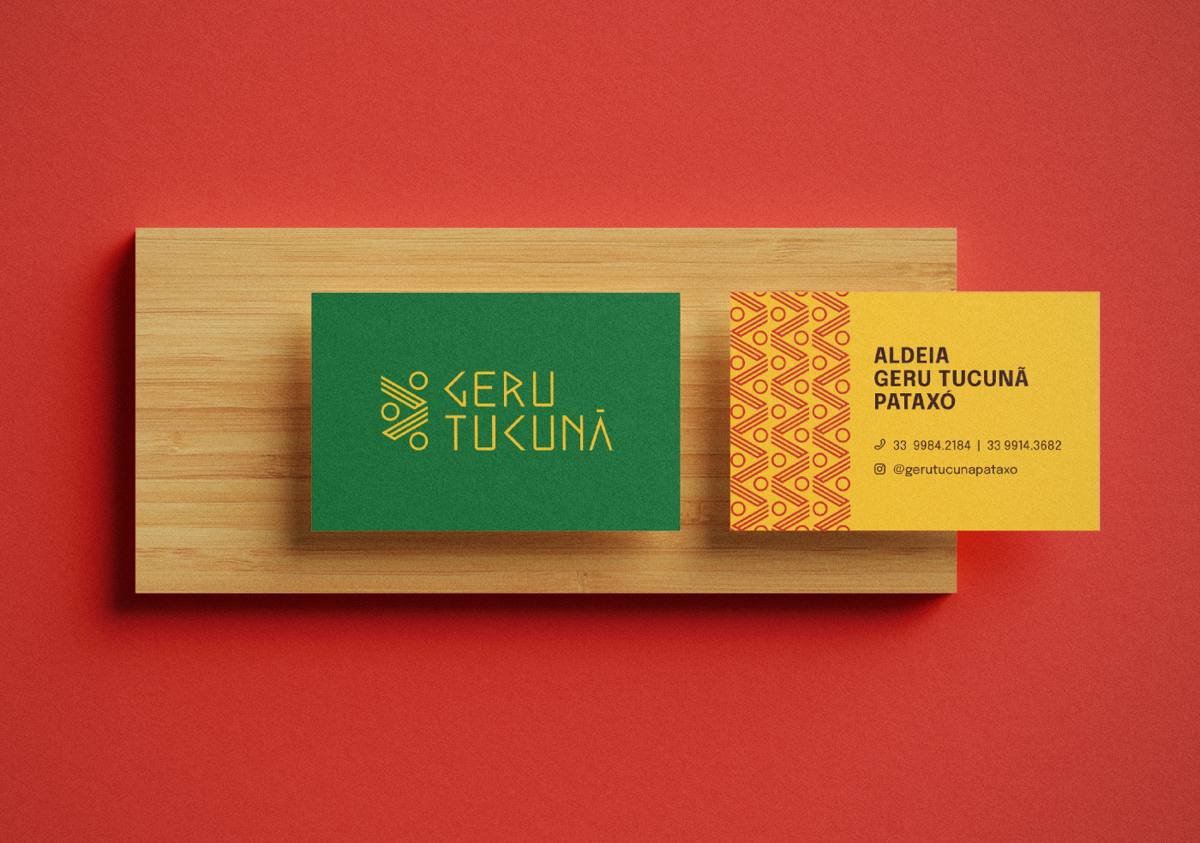
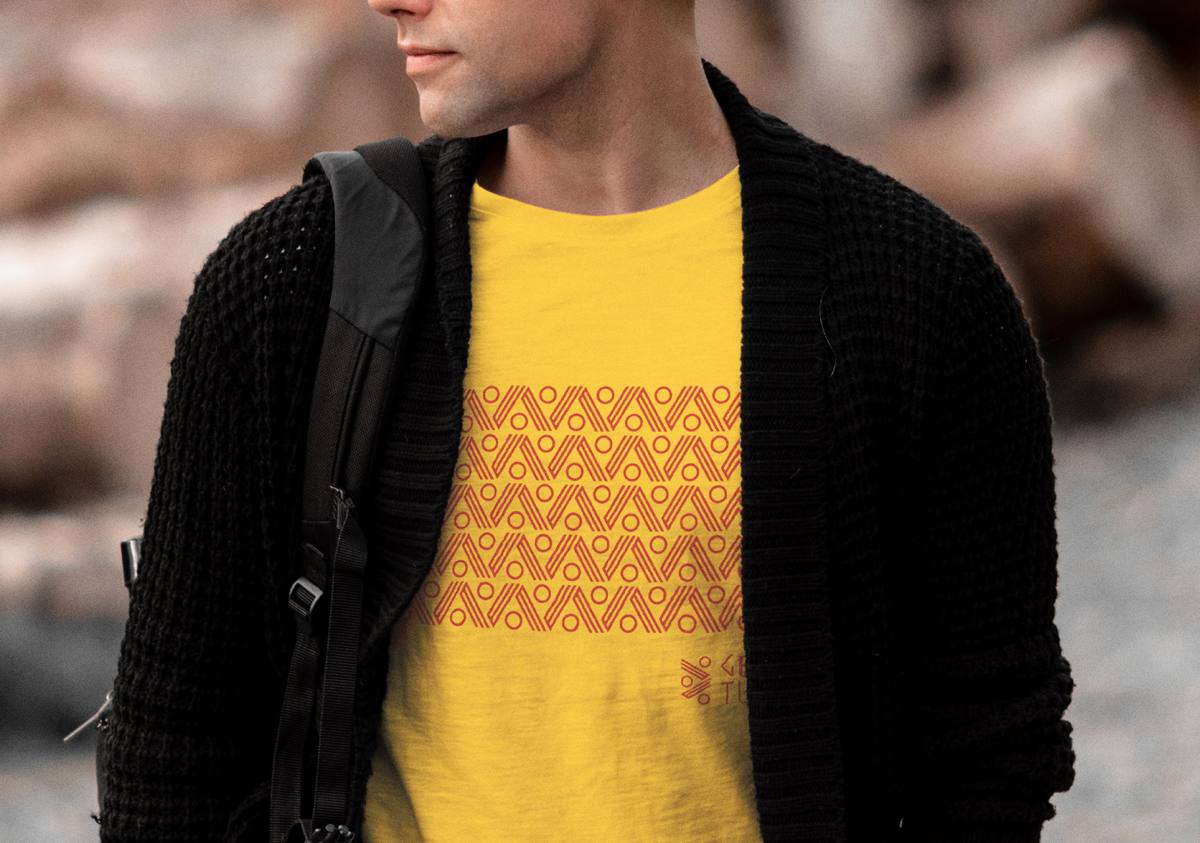
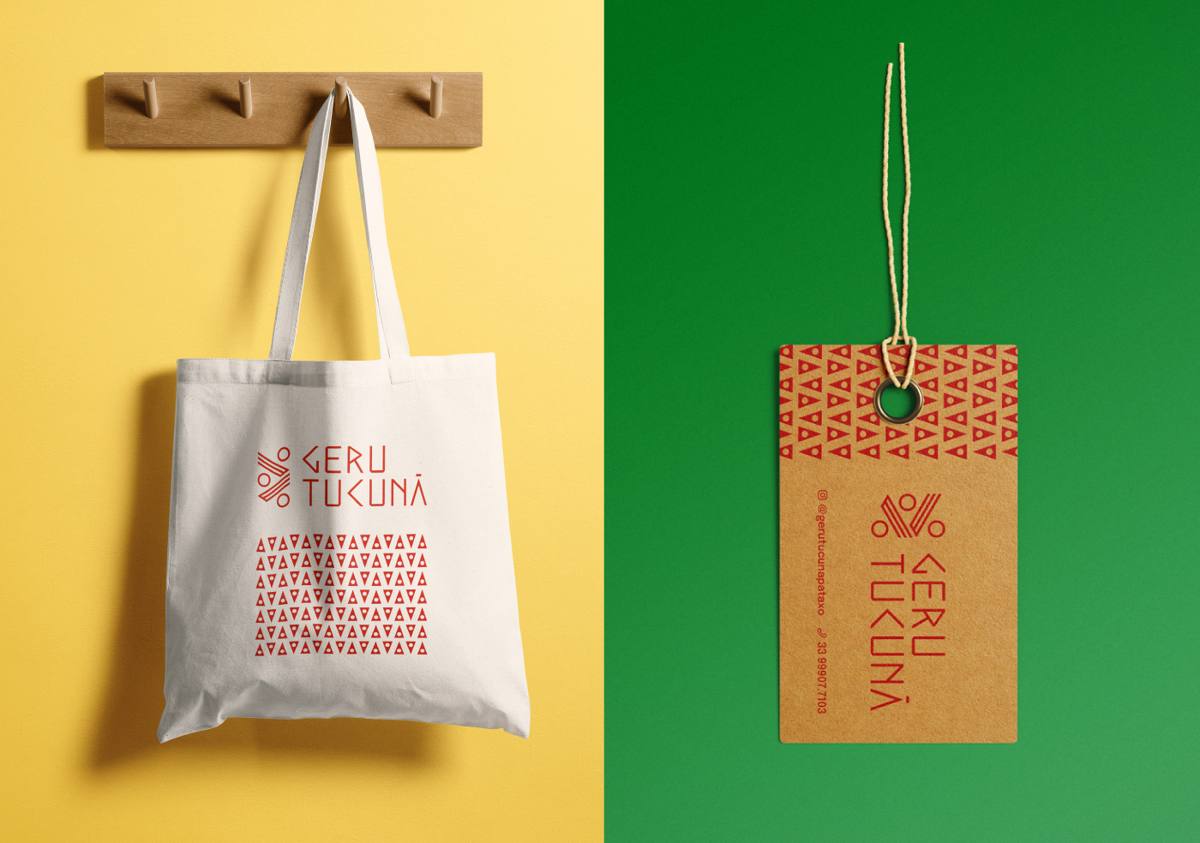
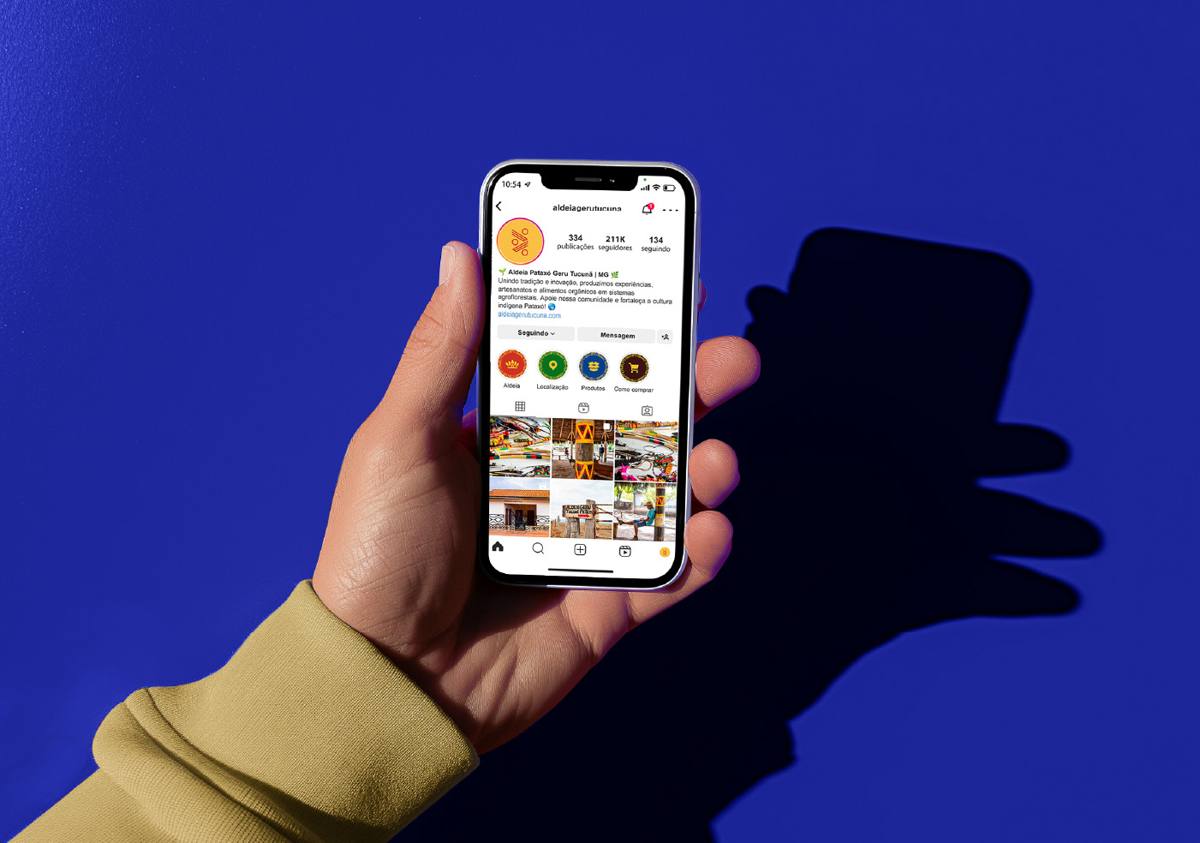
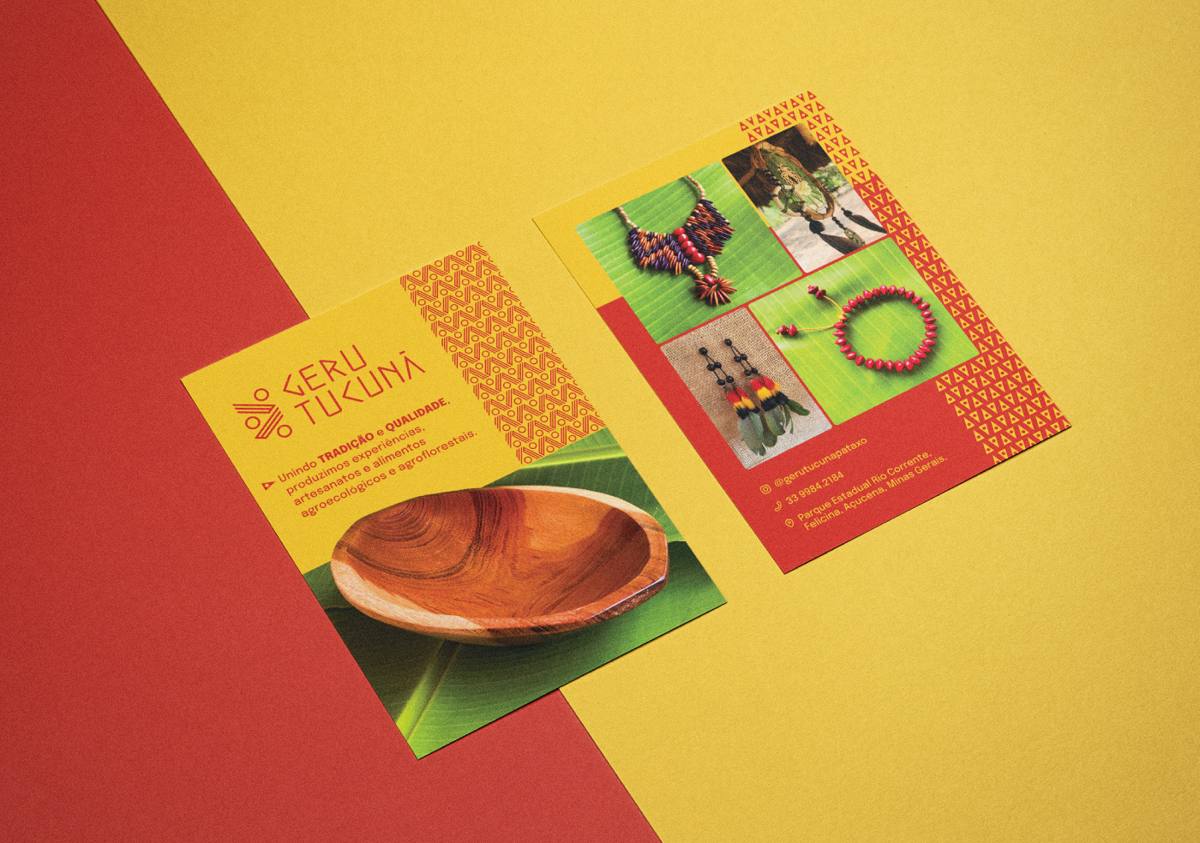
We also developed the visual identity of the Geru Tucuna Pataxó village, in partnership with WWF Brasil and Agência Alpha: logo, color palette, graphic pattern and applications on communication materials. The design work is by Dayvid Gagno, of the KICK team.
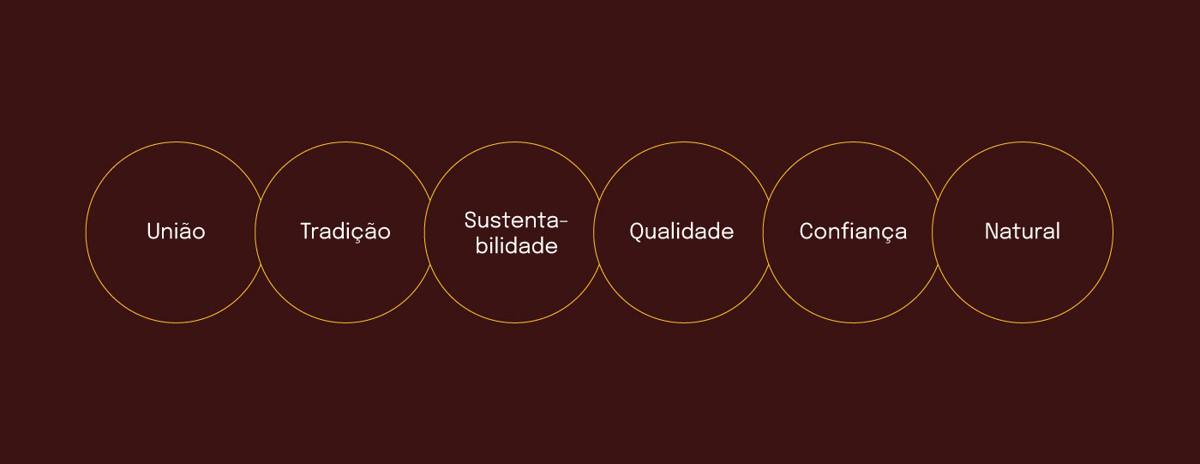
Village logo and graphic pattern.Values: unity, tradition, sustainability, quality, trust and natural.Geru Tucuna Pataxó village logo.Logo versions on the palette colors.Logo variations: symbol, horizontal and vertical.Visual identity color palette.Study of the construction of the logo letters.Supporting typeface: Epilogue.Graphic pattern of the identity.Pattern applied on fabric.Overview of the visual identity manual.Business cards.T-shirt with the graphic pattern.Tote bag and tag.Kraft paper with the logo.Pouch with the graphic pattern.Banner and sticker with the graphic pattern.The village's social media profile.Flyers.
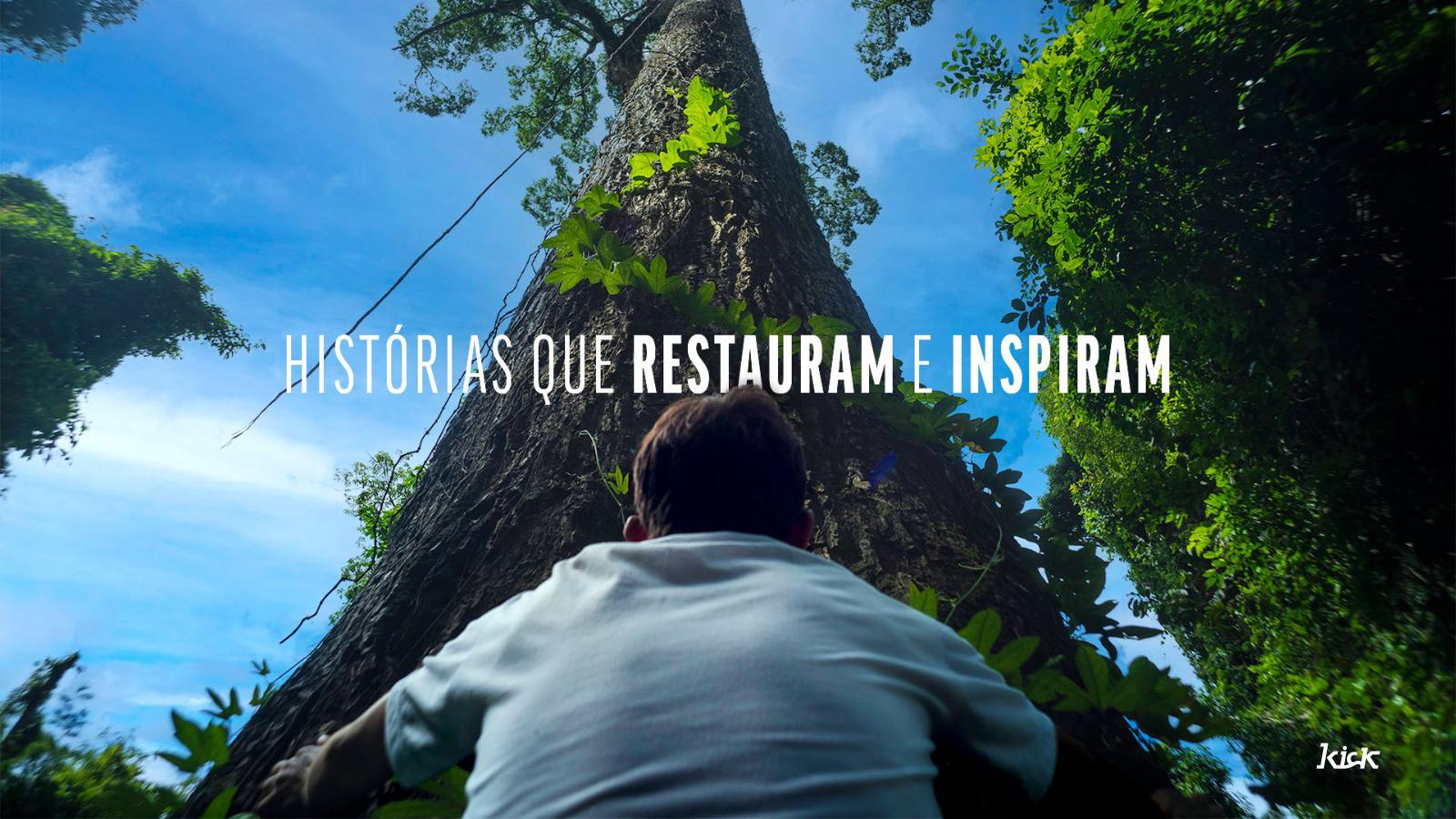
Stories that restore and inspire: a magazine on forest restoration in the Doce River Basin
A 25-page magazine with stories of people restoring the Atlantic Forest in the Doce River Basin, based on interviews conducted in 2022 and 2023.
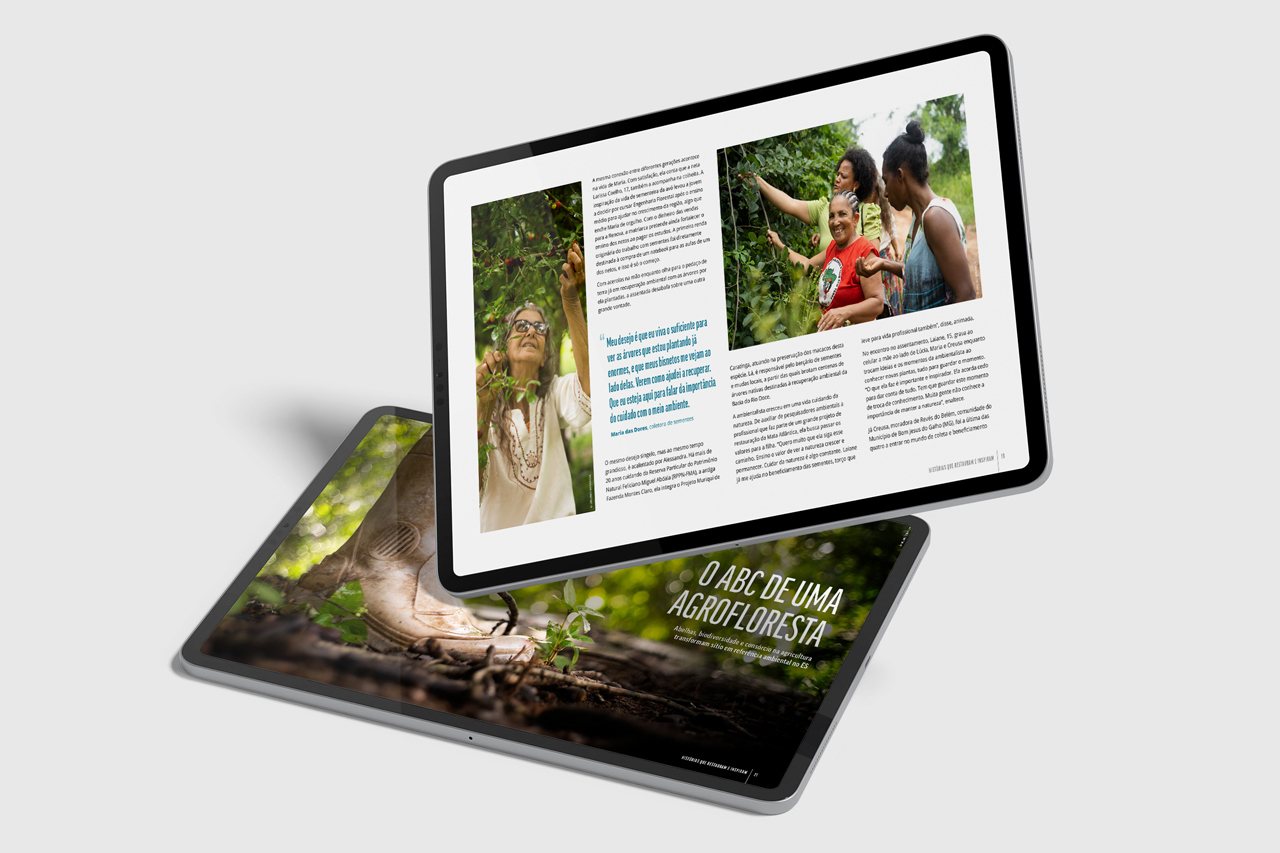
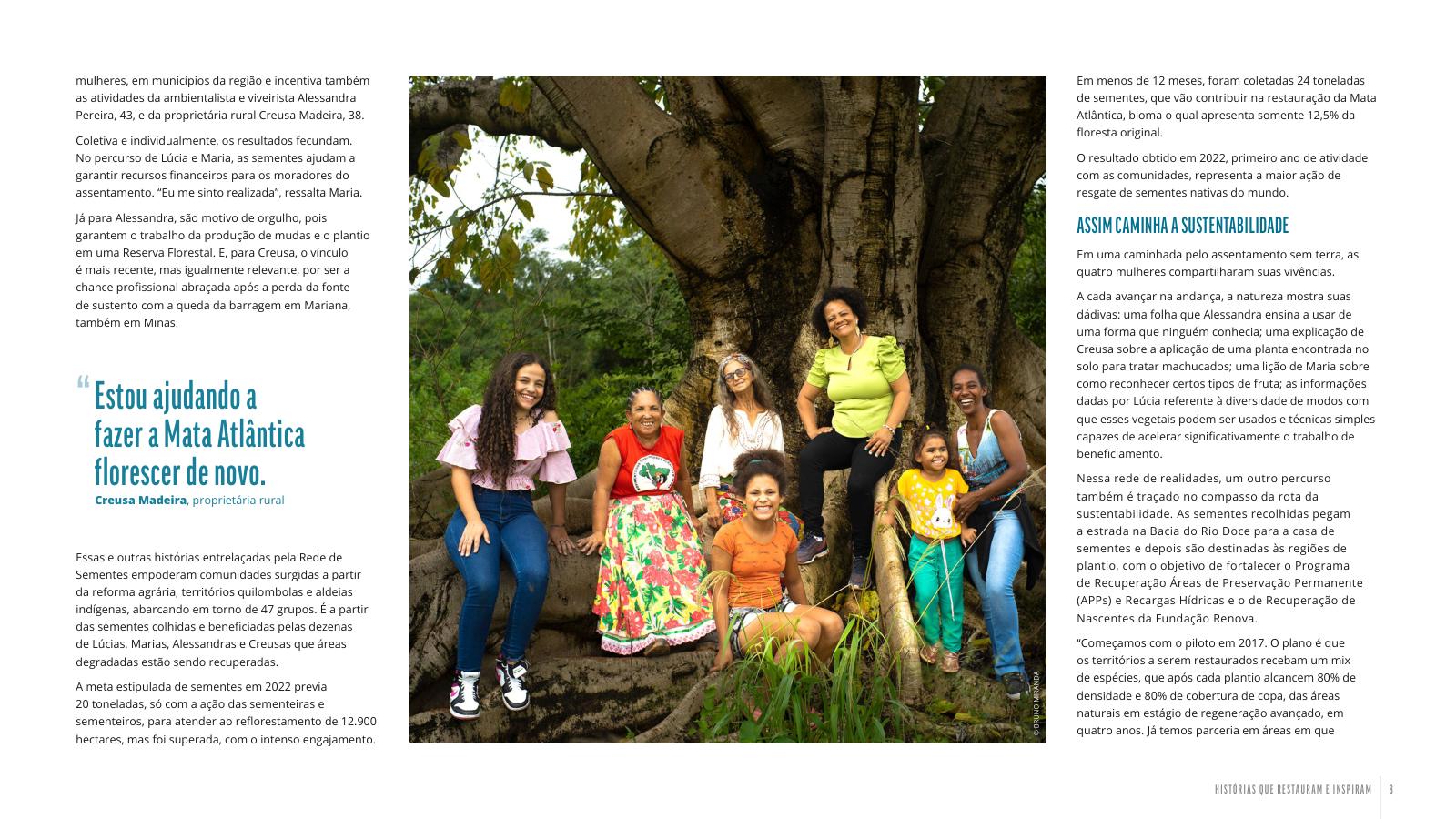
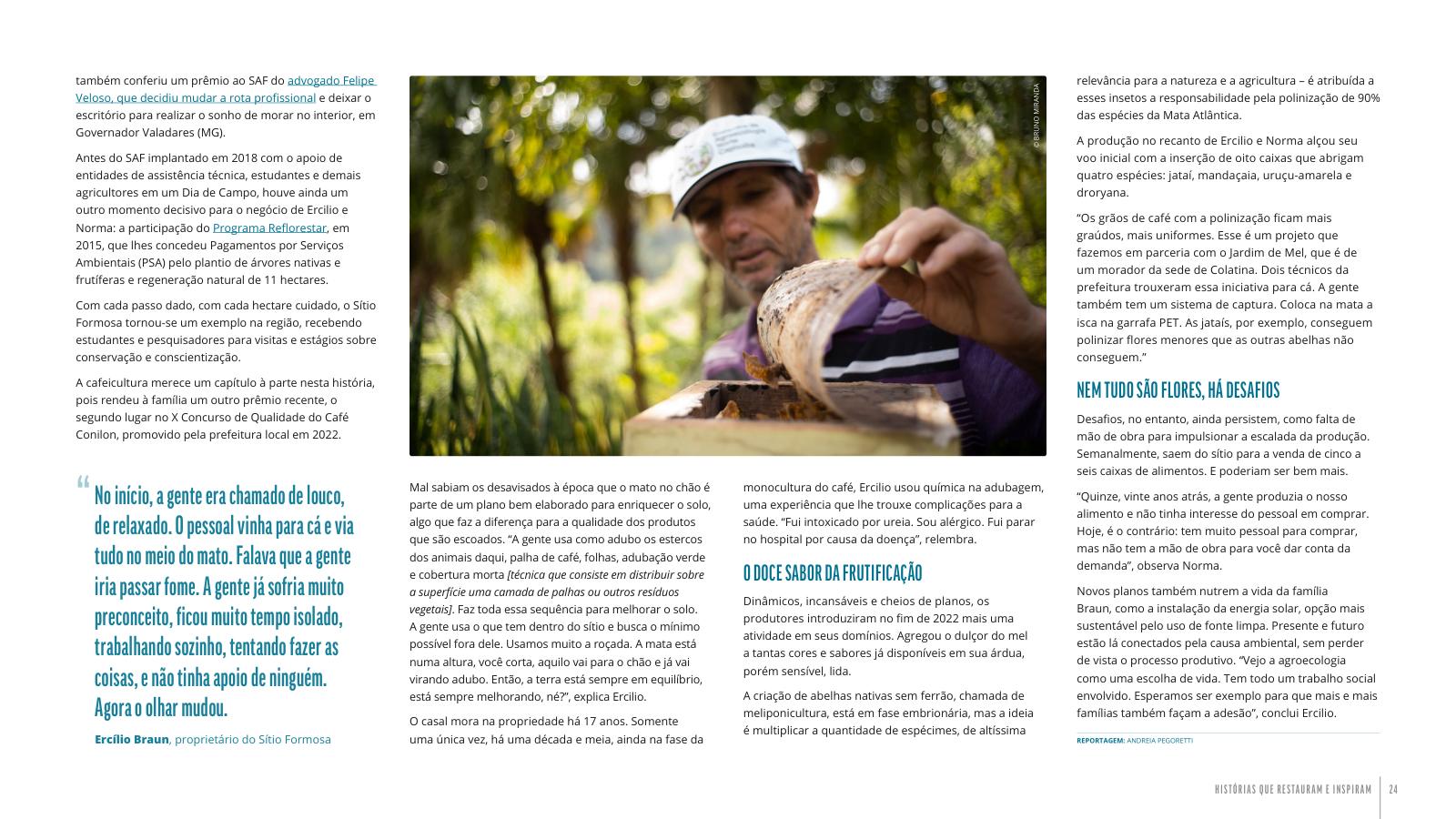
In partnership with WWF Brasil, KICK Group produced the magazine “Histórias que restauram e inspiram” (Stories that restore and inspire), an editorial piece with accounts of women and men who preserve, plant and regenerate areas in municipalities around the Doce River Basin, in Minas Gerais and Espírito Santo. The accounts were gathered in interviews in 2022 and 2023 and told through text, photographs and illustrations.
What the magazine tells
From seeds to forest: the path of the basin's recovery, from seed collection to planting native seedlings.
Native seed harvesting: how the activity generates income and empowers women in the region.
A couple with over 20,000 daughters: the story of those who produce seedlings for reforestation.
Agroforestry systems: the rebuilding of lives and productive land through species intercropping.
The ABC of an agroforest: biodiversity, bees and intercropping in agriculture.
Area preservation: how caring for the forest diversifies sources of livelihood.
Magazine pages
Magazine cover.Native seed harvesting: accounts of women in the Doce River Basin.Sítio Formosa: agroforest, bees and species intercropping.
Team
Produced by KICK Group: led by Daniela Klein, intelligence direction by Mariana Klein and art direction by Dayvid Gagno, edited by Andreia Pegoretti.
Read on screen
1 / 25
Participatory methodologies2019–2020
Pescador de Fato: Fundação Renova (Povoação, Regência and Conselheiro Pena)
Participatory methodologies, fishing matrices, protocols and social cartographies with fishing communities.
In partnership with Fundação Renova, KICK Group developed participatory methodologies with fishing communities in the municipalities of Povoação, Regência and Conselheiro Pena, including workshops, collective construction of fishing matrices, development of protocols and production of social cartographies. The work required methodological facilitation sensitive to the internal diversity of the communities and to the social-environmental impact context resulting from the Mariana dam failure.
Social Cartography in Conselheiro Pena (MG)
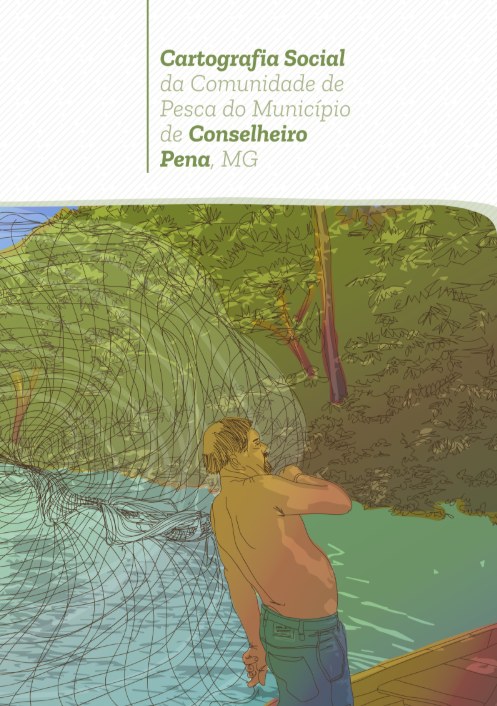
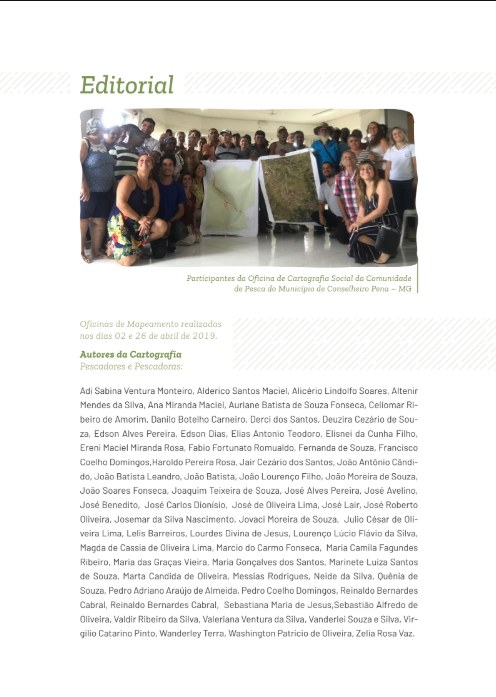
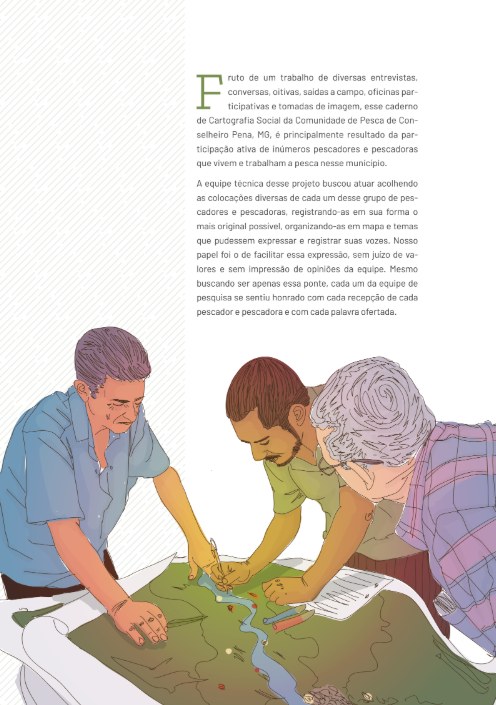
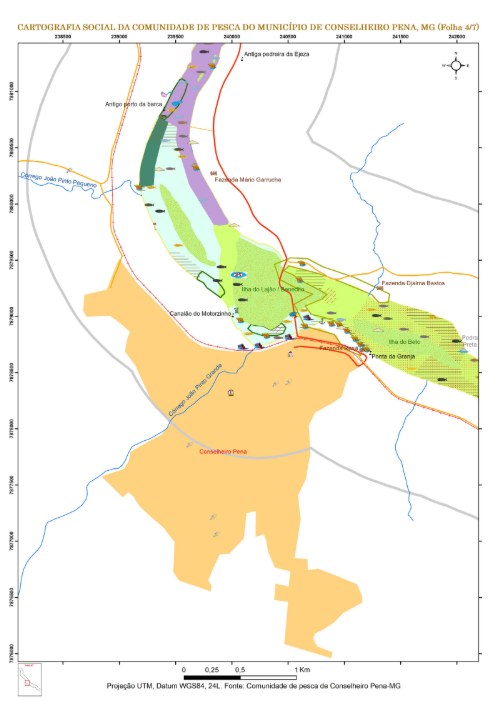
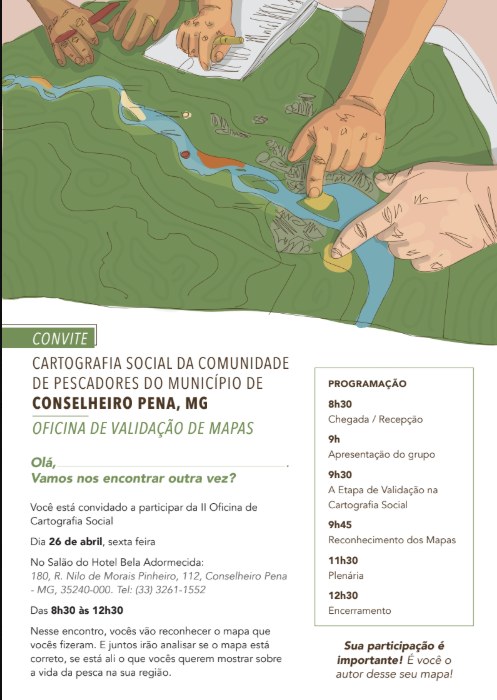
In Conselheiro Pena (MG), the work produced the booklet “Social Cartography of the Fishing Community of Conselheiro Pena”, built with fishers in mapping workshops and recorded in maps, accounts and illustrations.
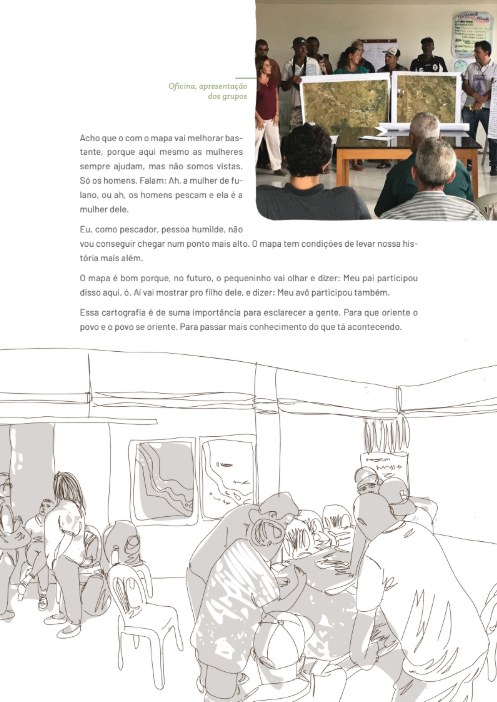
Cover of the Social Cartography booklet of the Conselheiro Pena (MG) fishing community.Editorial, with the participants of the mapping workshops.Introduction to the booklet: listening to and recording fishers' accounts.Social cartography map of the fishing community (sheet 4/7).A participant's testimony and the group presentation workshop.Invitation to the map validation workshop.
Team at work
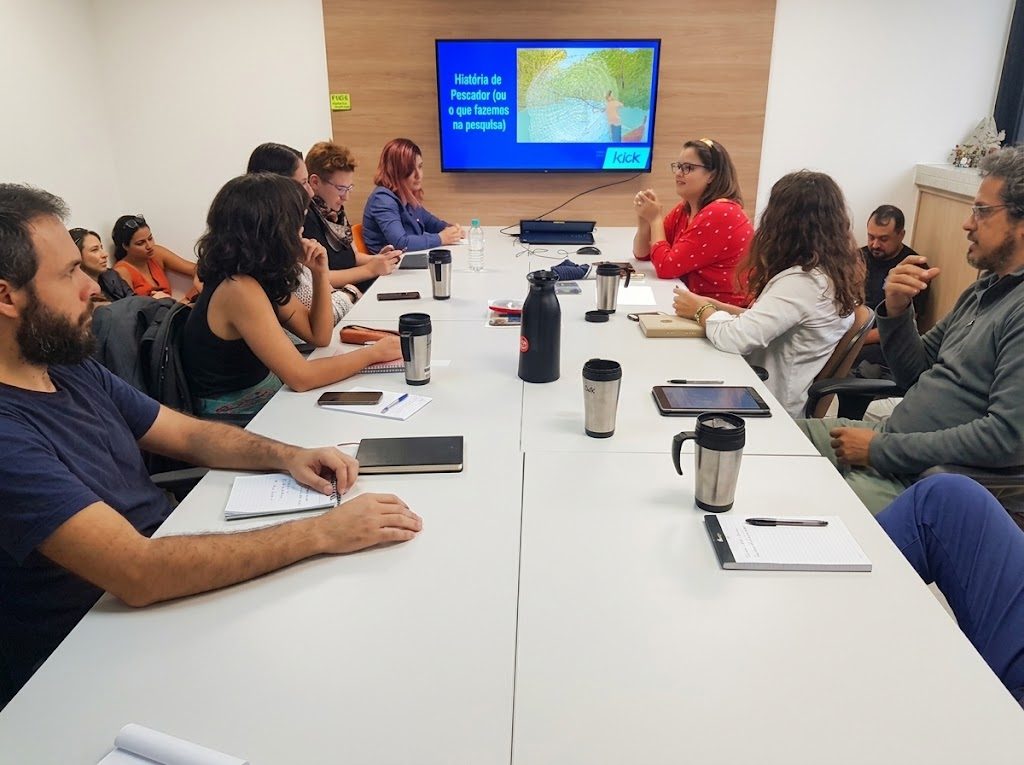
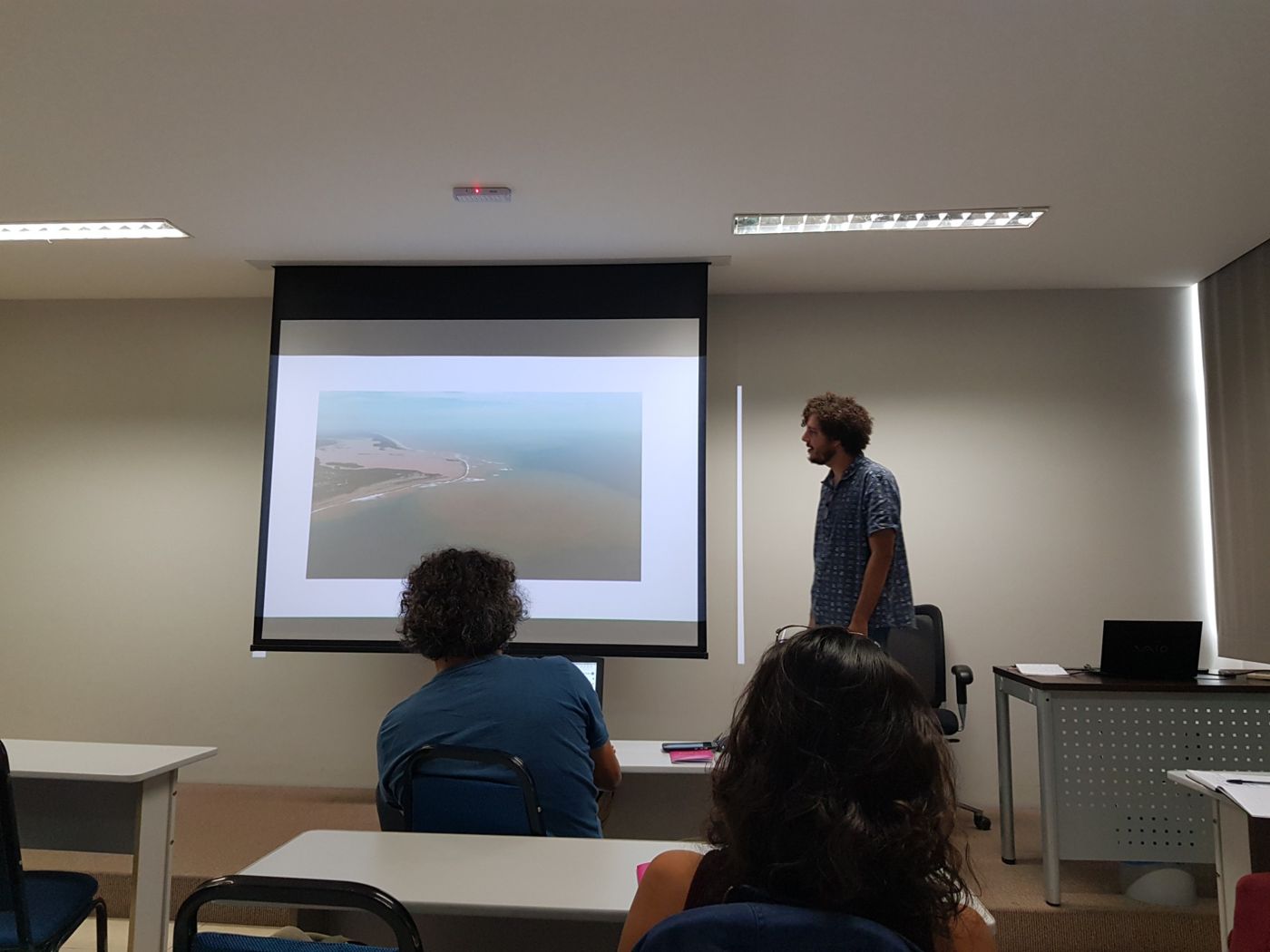
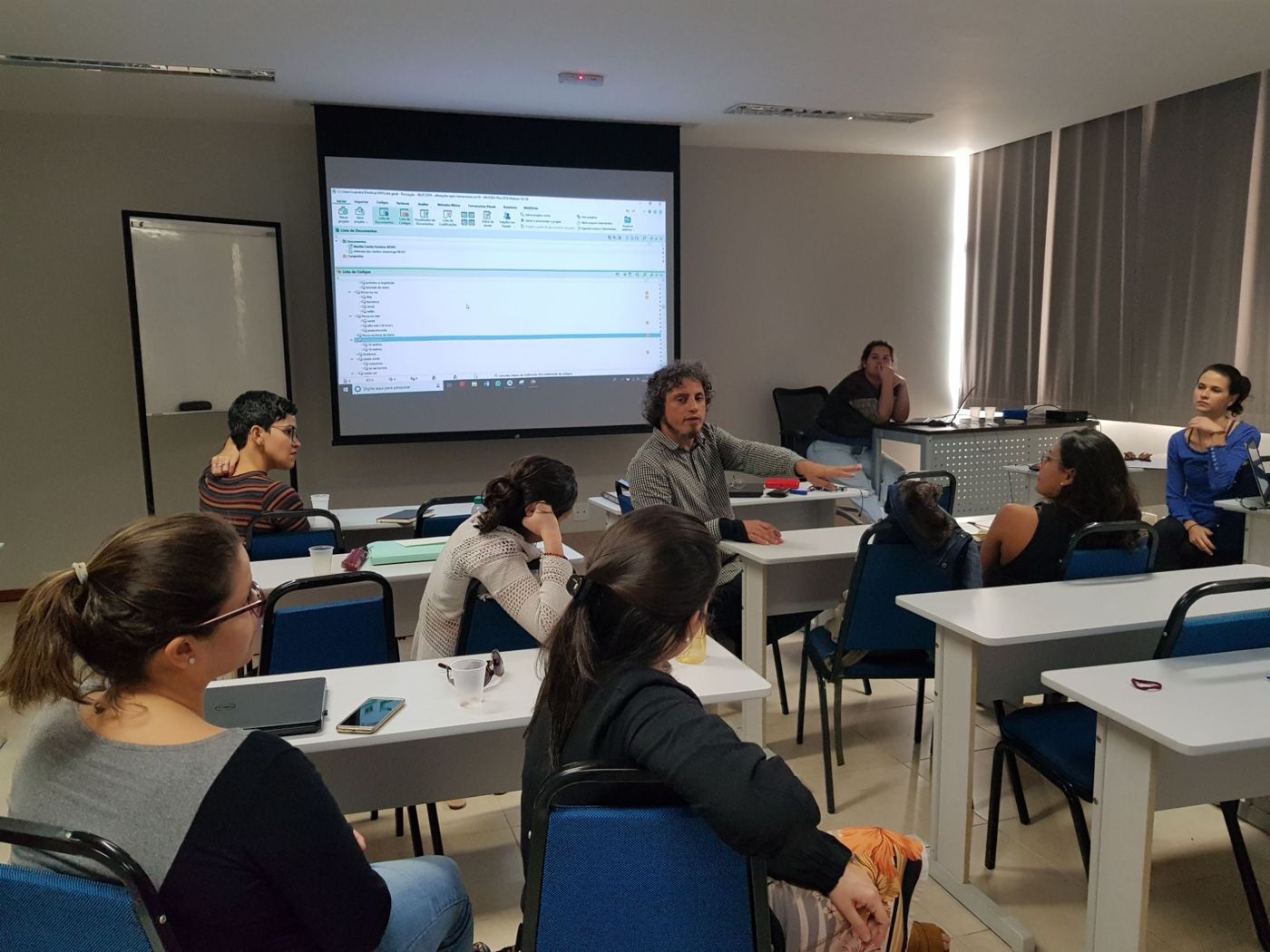
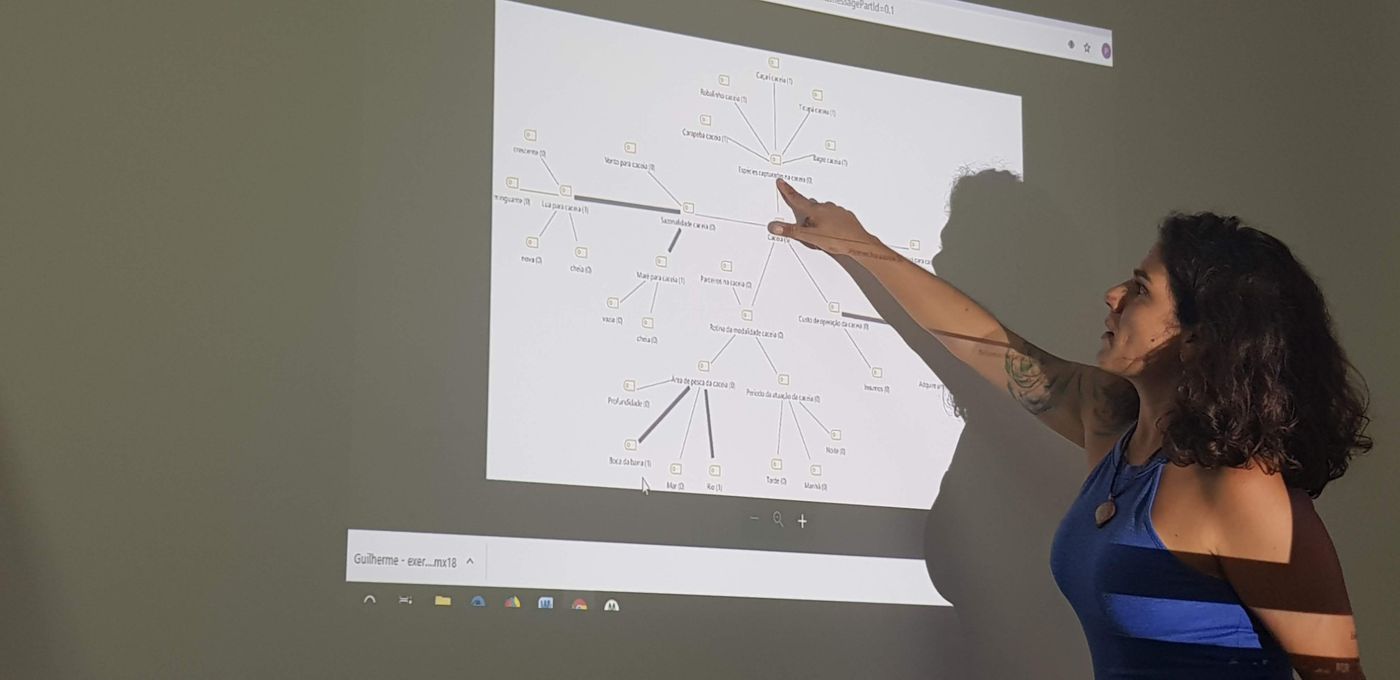
Presentation during a team working session.Session to analyze and code the workshop data.Data analysis on a map of relationships between themes.
Clients we serve
Organizations that trust our communication.
And more:
PCH Braço
Povoação Energia
Tropicália Transmissora de Energia
Fundação Renova
Abema
Secretaria de Meio Ambiente do ES
MMA Cargas Expressas
ES Gás
Petrobras
Isa Evrecy
Prefeitura de Viana
Pimpolho Produtos Infantis
Ipog
Vitoria Stone
Abrampa
Iema
Cesan
Biancogres
Morar Construtora
Lotes CBL
Econservation
Multi Ambiental
Shopping Vitória
Shopping Boulevard da Praia
Latest posts
Ideas, behind the scenes and analysis on communication, impact and sustainability.
We use cookies that are necessary for the site to work and, if you allow it, statistics cookies (Google Analytics) to understand how the site is used. You choose. Learn more in the Privacy and Cookie Policy.