
Letter at COP31 calls for political leadership to end deforestation by 2030
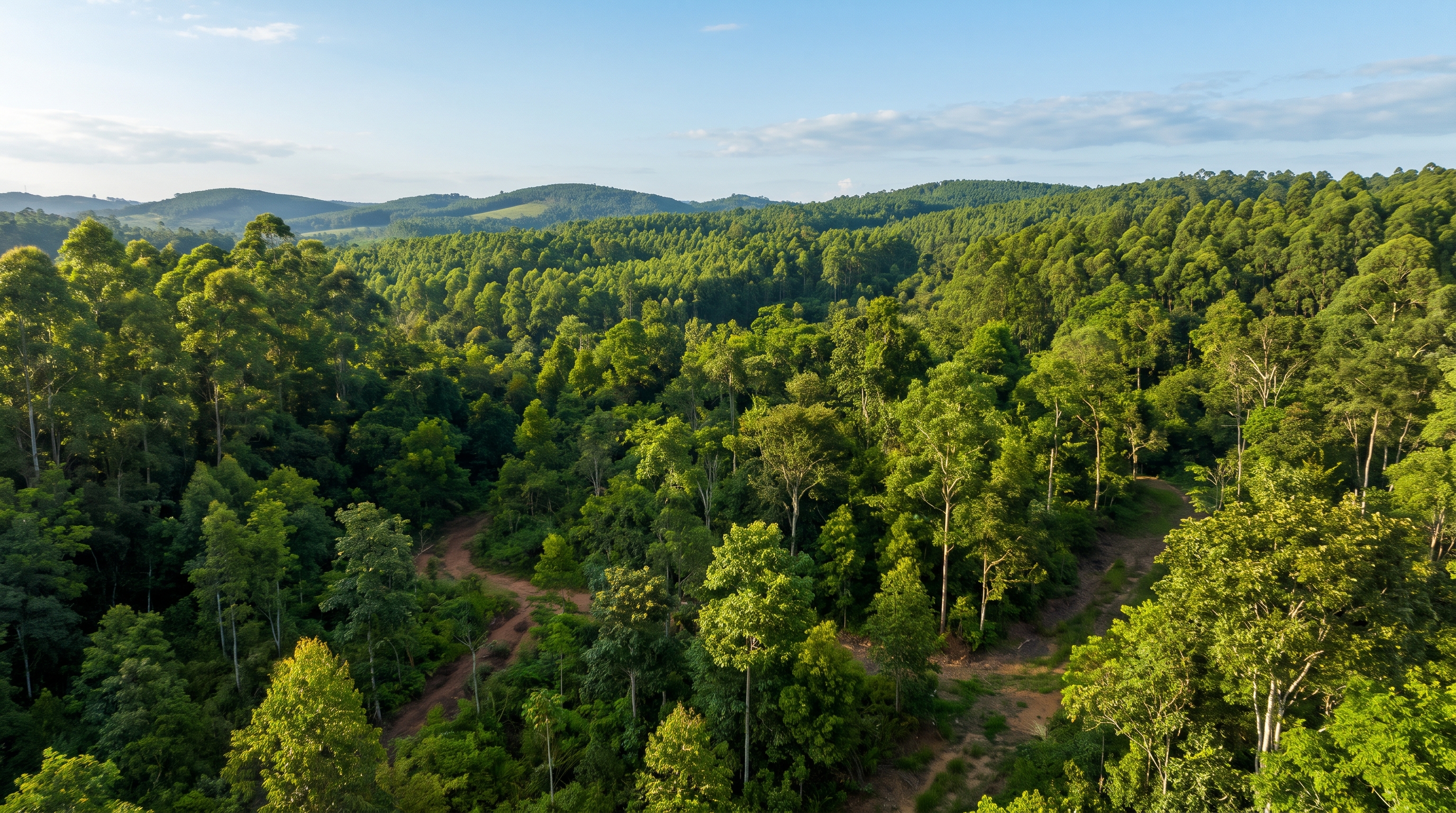
More than one hundred civil society organizations, Indigenous peoples, local communities and research institutions released a joint letter during COP31 in Antalya, calling on countries to sustain and expand the political leadership needed to halt and reverse deforestation and forest degradation by 2030. The letter recognizes the Roadmap presented by Brazil's COP30 Presidency and proposes a multi-stakeholder implementation process through 2030, including an international meeting in 2027. Sign-on remains open until December 15, 2026. The goal was set years ago, but the world remains far from it, and as time runs short, more pressure falls on those who produce, buy and finance in forest areas.
What the letter asks for
The Joint Call for Collective Action to Accelerate the Implementation of the Global Forest Goals by 2030 (in Portuguese) builds on the first Global Stocktake of the Paris Agreement, adopted at COP28, which called for greater efforts to halt and reverse deforestation and forest degradation by 2030 and for more support and investment to that end. It makes three requests:
- Continued political leadership. The momentum built in Belém and Antalya needs to last until 2030.
- An inclusive implementation process through 2030. Countries should work together, building on and connecting existing initiatives, with participation from multiple stakeholders.
- An international meeting in 2027. The aim is to strengthen political mobilization and chart paths to concrete solutions.
The signatories commit to supporting this process and ask that it respect the specific rights of Indigenous peoples, including self-determination in choosing their representatives, and ensure the effective and equal participation of local communities, people of African descent and other rights holders. The letter sums up the moment: the commitments have been made, the Roadmap has identified the pathways, and now they must become action over the next four years.
Who signed
In the version consulted on November 18, the letter had 101 signatories from several continents. Brazilian organizations include Imazon, IPAM, Instituto Talanoa, Plataforma CIPÓ, Igarapé Institute, Inesc, IPÊ, Instituto Democracia e Sustentabilidade, Amazônia de Pé and LACLIMA. International signatories include WWF International, Conservation International, Greenpeace International, BirdLife International, CIFOR-ICRAF, Global Witness, Rights and Resources Initiative and FSC, through FSC International and the FSC Indigenous Foundation. Indigenous organizations and Indigenous youth networks from Latin America also signed, such as the Organización Regional de los Pueblos Indígenas de Amazonas (ORPIA) and the Red de Jóvenes Indígenas de América Latina y el Caribe.
Organizations that wish to join can fill in the sign-on form by December 15, 2026.
The COP30 Roadmap
Brazil's Presidency announced it would prepare the Roadmap at the close of COP30 in Belém, in November 2025. The document was presented in Brasília on November 3 (in Portuguese) and officially launched on November 9, the first day of COP31, alongside a similar roadmap on transitioning away from fossil fuels.
The Roadmap is not a negotiated text. It brings together voluntary contributions so that each country can make its own diagnosis and choose its actions. It received more than 180 contributions from countries, observer organizations and other stakeholders, and covers tropical, subtropical, temperate and boreal forests, as well as peatlands and mangroves. Action is organized into five areas:
- conservation;
- sustainable forest management, agroforestry and the bioeconomy;
- reducing forest degradation;
- reducing deforestation;
- restoration, reforestation and afforestation.
At the launch, the UN Environment Programme (UNEP) representative said global forest finance totaled US$84 billion in 2023 and needs to reach US$300 billion a year by 2030, and that for every dollar spent on forests, almost five go to agricultural subsidies that can harm them.
Where the world stands
The Forest Declaration Assessment 2026, released in October by a coalition of civil society and research organizations, tracks the pledge made by 145 countries at COP26 in Glasgow to end deforestation by 2030. Its figures show why the letter speaks of urgency:
- the world lost 7 million hectares of forest to deforestation in 2025, 15% less than in 2024;
- to be on track to zero by 2030, losses should have fallen to 4.2 million hectares in 2025;
- since 2021, the accumulated shortfall has reached 10.7 million hectares, an area the size of Iceland;
- the Congo Basin lost 2.4 million hectares in 2025 and, for the first time, came close to the Amazon.
The report's authors attribute continued loss to perverse economic incentives, weak governance and poor protection of Indigenous peoples and local communities. They also warn that political changes in countries that led recent progress could threaten it.
What this means for companies and projects
The 2030 goal is close. With less than four years to go, zero-deforestation commitments in supply chains, credit policies and buyer requirements are likely to tighten. Anyone who produces, buys or finances in forest regions needs to know where each input comes from and be able to prove it.
Participation is at the center of the process. The letter and the Roadmap stress the role of Indigenous peoples, local communities and people of African descent. Projects in forest or transition areas need stakeholder mapping, consultation and dialogue channels from the planning stage.
The Roadmap's five areas show where policy and money will go. Conservation, sustainable management, the bioeconomy, reducing degradation and restoration are likely to guide public policy, financing lines and mechanisms such as the Tropical Forest Forever Facility (TFFF). Companies working on these fronts can get ahead.
The 2027 meeting is worth following. If the letter's proposal moves forward, it will be a moment for new commitments and for holding countries to account for results by 2030.
Talk to KICK
KICK Group works on socio-environmental communication and stakeholder engagement for projects, from diagnosis and dialogue with communities to monitoring and reporting results. If your project operates in forest areas and needs to prepare for the 2030 goals, it is worth talking.
Write to contato@kickgroup.com.br. Sources: Joint Call for Collective Action to Accelerate the Implementation of the Global Forest Goals by 2030 (in Portuguese; list of signatories consulted on November 18, 2026); COP30 Presidency (November 9, 2026); Agência Brasil (November 3, 2026, in Portuguese); and Forest Declaration Assessment 2026 (October 2026). Informational text, updated to November 18, 2026. The list of signatories may change until the sign-on deadline.
Keep reading

KICK develops ESPM's first Sustainability Report
The report, with 2025 data, uses the GRI Standards as a reference and relates to MEC assessments, the Ethos Indicators and the SDGs. See how it was developed and what it shows.
Brazil submits its Fifth National Communication and Second Transparency Report to the UN at COP31
The document, submitted on November 17, includes the official inventory up to 2024, with a 27% drop in emissions in two years. See what was submitted, what the numbers show and what changes for companies and projects.
The 10 new insights in climate science for 2026/2027
The Future Earth, The Earth League and WCRP report brings together the ten most urgent findings in climate research. See the summary and what each asks of companies, projects and licensing.